Samsung is the #1 global TV brand for 20 years
- Türker Şentürk
- Technology
- 08 Mar, 2026
- 11 min read
Samsung’s 20‑Year TV Crown: Why the Brand Still Feels Like the Cool Kid at the Dinner Table
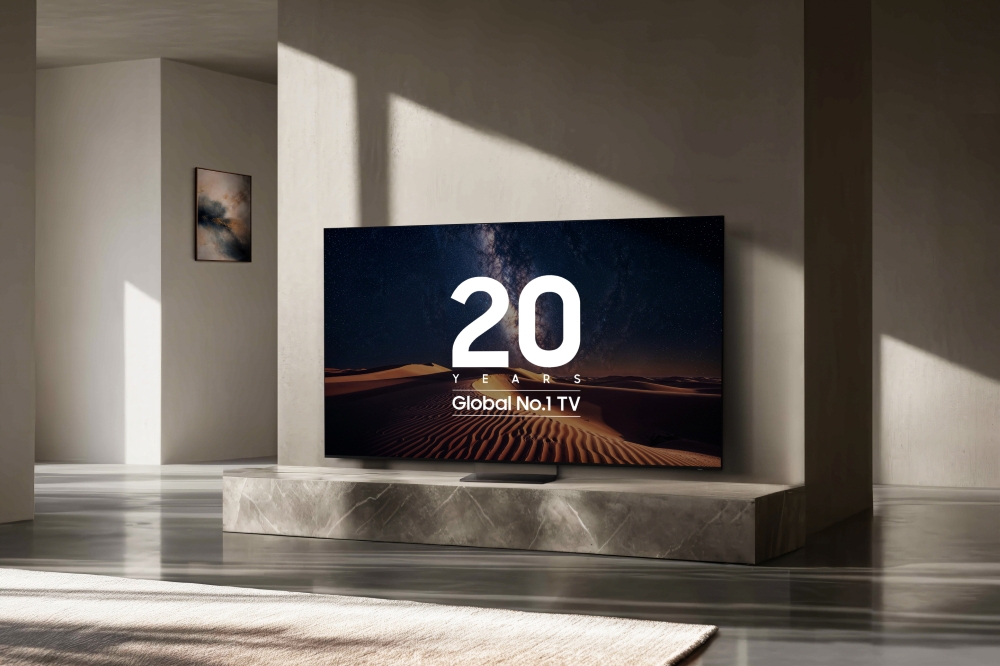
When Samsung announced that it’s been the world’s No. 1 TV brand for 20 straight years, I felt a mix of “wow, that’s impressive” and “okay, let’s see what’s really behind those numbers.” Two decades of market dominance isn’t just a badge you stick on a press release; it’s a story of how a consumer‑electronics giant has kept its product line feeling fresh enough that you still hear people whisper “Samsung” when they talk about buying a new screen.
In this piece I’ll walk you through the data that backs Samsung’s reign, the milestones that kept the brand ahead of the curve, and why—despite the hype—you might actually care about what Samsung does with its TVs. I’ll also sprinkle in a few personal anecdotes (yes, I still have a 2014 Smart TV in my parents’ house that refuses to update) to keep things grounded.
The Numbers That Matter (and Some That Don’t)
According to market‑research firm Omdia, Samsung held 29.1 % of the global TV market in 2025. That’s a full slice of a pie that’s been split among dozens of manufacturers, from LG and Sony to a growing crowd of Chinese brands. In the premium tier—think TVs priced over $2,500—Samsung’s share jumps to 54.3 %, and it still commands 52.2 % in the $1,500‑plus segment.
“When consumers choose a TV, they’re choosing a brand they can trust for years to come,” said SW Yong, President of Samsung’s Visual Display Business, in the company’s press release.
Those percentages are more than just bragging rights. They tell us that when you walk into a living‑room showroom and ask for a high‑end TV, more than half the time the salesperson will point you at a Samsung model. And that’s not because Samsung has a monopoly on supply; it’s because the brand has consistently delivered something that resonates with the “premium” buyer: a mix of picture quality, design, and ecosystem integration that feels, well, worth the price tag.
A Quick Reality Check
- Market share isn’t the whole story. A brand can dominate a niche and still be irrelevant to the mass market. Samsung’s strength across both the $1,500‑plus and $2,500‑plus brackets shows it’s not just a niche player.
- Competition is fierce. LG’s OLED line, Sony’s processing tech, and a wave of affordable 8K panels from Chinese manufacturers are all nipping at Samsung’s heels.
- Consumer loyalty is fragile. A single misstep—say, a firmware update that bricks a batch of TVs—could erode trust faster than any market‑share dip.
With those caveats in mind, let’s dig into how Samsung earned this two‑decade streak.
From Bordeaux to Neo QLED: A Timeline of “We Thought That Was Cool, Then We Made It Cooler”
If you ask any veteran tech writer, the story of a company’s dominance is rarely a straight line. It’s more like a series of pivots, each one a little gamble that either pays off or forces a retreat. Samsung’s TV journey is a textbook case.
| Year | Milestone | Why It Mattered |
|---|---|---|
| 2006 | Bordeaux TV – the first Samsung model to claim the global #1 spot | Showed Samsung could blend design with performance, breaking the “boxy TV” stereotype. |
| 2009 | LED‑backlit TVs | Shifted the industry from bulky CCFL backlights to slimmer, more energy‑efficient panels. |
| 2011 | Smart TV platform | Turned the TV into a hub for apps, streaming services, and eventually, home automation. |
| 2015 | Serif – a design‑first TV that looked like a piece of furniture | Proved you could sell a TV on aesthetics alone; a precursor to the “TV as décor” trend. |
| 2017 | The Frame – an “Art TV” that displayed artwork when not in use | Created a whole new product category; people started buying TVs for the wall‑art mode. |
| 2017 | QLED – quantum‑dot technology for brighter colors | Gave Samsung a clear edge over OLED in brightness, especially for bright‑room viewing. |
| 2018 | 8K panels (33 million pixels) | Showed Samsung could push resolution limits even if most content was still 4K. |
| 2020 | Micro LED – self‑emissive, modular displays | Set the stage for massive, ultra‑bright screens that could rival cinema projectors. |
| 2022‑2025 | Neo QLED & Mini LED expansion | Combined quantum‑dot color with Mini LED’s precise local dimming, delivering deeper blacks without OLED’s burn‑in risk. |
| 2024 | AI‑powered picture & sound tuning | Leveraged on‑device AI to adapt to room lighting, content type, and even user habits. |
A Personal Note
I still remember the first time I watched a Game of Thrones episode on a 65‑inch QLED. The contrast was so punchy that the White Walkers looked like they’d stepped out of a snowstorm and onto my couch. It wasn’t just the hardware; the software—Samsung’s adaptive picture mode—kept the image consistent whether I dimmed the lights or left the blinds open. That moment cemented my belief that a TV could be more than a box; it could be a dynamic part of the room.
The “Premium” Tag: More Than a Price Sticker
When we talk about “premium” TVs, we’re usually referring to three things:
- Picture quality – peak brightness, color volume, and black levels.
- Build & design – materials, thickness, and how the TV integrates with furniture.
- Ecosystem – smart platform stability, voice assistants, and cross‑device features.
Samsung’s 54.3 % share in the $2,500‑plus tier tells us that it’s hitting the sweet spot on all three. Let’s break down why.
Picture Quality: Neo QLED vs. OLED
- Neo QLED (Mini LED + quantum dots) offers up to 2,000 nits of peak brightness, making HDR scenes pop even in daylight. OLED, on the other hand, shines with perfect blacks but can struggle with very bright highlights.
- AI Upscaling: Samsung’s Neural Processor 4K/8K analyzes each frame and reconstructs details that native resolution can’t capture. In practice, a 1080p source looks much sharper on a 4K Neo QLED than it would on a comparable OLED.
Design: From Serif to The Frame
- The Serif turned a TV into a piece of furniture; the Frame made it a digital canvas. Both models show Samsung’s willingness to re‑think the TV’s role in interior design.
- Recent Neo QLED models have ultra‑thin bezels (as thin as 0.9 mm) and cable‑management solutions that hide power cords—a small but appreciated detail for anyone who’s ever tried to hide a TV in a living‑room gallery wall.
Ecosystem: SmartThings, Voice, and AI
- Samsung’s SmartThings hub now lives on the TV itself, letting you control lights, thermostats, and even robot vacuums without an extra dongle.
- Bixby, Google Assistant, and Amazon Alexa are all baked in, and the TV can learn your viewing habits to suggest content before you even think of it.
- The Ambient Mode (a cousin of The Frame) can display weather, personal photos, or even a calming night‑light—features that feel less like “nice‑to‑have” and more like a living room assistant.
The Next‑Gen Frontier: Micro RGB, Mini LED, and AI
If you’re wondering whether Samsung’s dominance is built on a past of innovation, the answer is a resounding “no.” The company is still pushing the envelope in three key areas:
1. Micro RGB (MicroLED) – The “Big‑Screen” Play
MicroLED panels are essentially tiny, self‑emissive LEDs that can be combined to form any screen size. Samsung’s The Wall series (up to 292 inches) is a showcase of what’s possible: infinite contrast, 100% color gamut, and no burn‑in risk. While the price point is still in the six‑figure range, the tech is trickling down to consumer‑grade sizes via the Micro RGB line.
2. Mini LED – Democratizing Brightness
Mini LED is like giving every pixel its own tiny flashlight. Samsung’s recent 75‑inch Neo QLEDs use over 2,000 dimming zones, letting the TV dim specific areas while keeping highlights bright. The result? Deeper blacks without the cost of OLED, and a more uniform picture across large screens.
3. AI‑Driven Personalization
Samsung’s Quantum Processor 8K now runs real‑time scene analysis, adjusting color temperature, motion handling, and even sound balance based on what you’re watching. If you switch from a dark thriller to a bright sports game, the TV automatically recalibrates—no manual tweaking required.
The Skeptical Side: Is Samsung’s Crown Really Worth the Weight?
I get it. When a brand claims “20 years at #1,” the first thought that pops up is “marketing fluff.” So let’s put the claim under a microscope.
Potential Weaknesses
- Supply chain volatility: The recent semiconductor shortage reminded us that even giants can face production hiccups. A delay in Mini LED chips could push back launches.
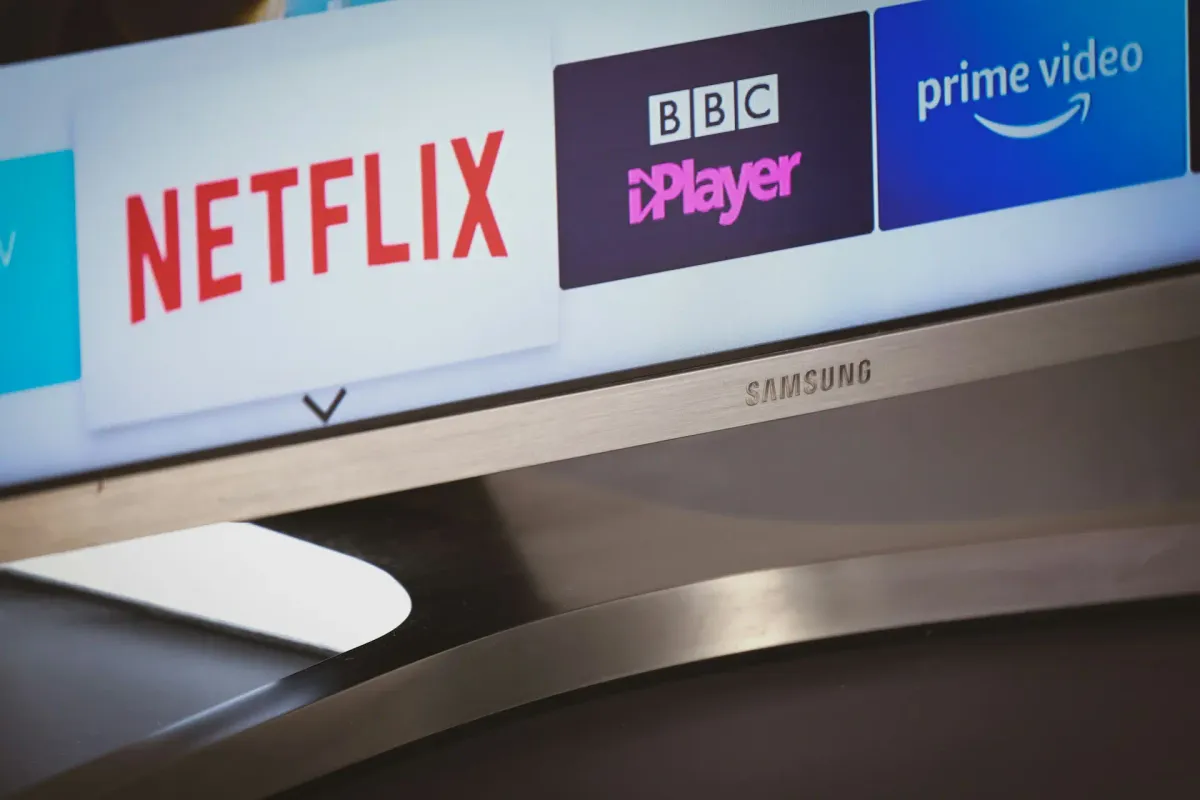
- Software fragmentation: Samsung’s Tizen OS is solid, but it still lags behind rivals in app availability (e.g., some niche streaming services are missing). A fragmented ecosystem can frustrate power users.
- Price creep: As Samsung adds more features, the entry‑level premium models creep up toward $2,000, squeezing consumers who want high quality without a premium price.
What I’ve Seen Firsthand
A friend of mine swapped his 2022 Neo QLED for an LG OLED 2024 model after noticing slight banding during fast‑action sports. The OLED’s motion handling felt smoother, but the Samsung still outshone him in brightness when he watched in a sun‑lit kitchen. The lesson? No single TV is perfect for every scenario—it’s about matching the technology to your environment and habits.
So, Should You Consider a Samsung TV in 2026?
If you’re in the market for a new TV, here’s a quick decision tree based on what we’ve covered:
| Situation | Recommended Samsung Line | Why |
|---|---|---|
| Bright living room, love HDR movies | Neo QLED (Mini LED) | Highest brightness, strong HDR performance. |
| Art‑focused space, want TV to double as décor | The Frame | Built‑in Art Mode, customizable frames. |
| Large‑screen home theater (70”+) with deep blacks | Micro RGB (or The Wall if budget isn’t an issue) | Self‑emissive pixels give OLED‑like blacks without burn‑in. |
| Tech‑savvy, love AI personalization | Any 2024‑2025 model with Quantum Processor 8K | AI adapts picture & sound on the fly. |
| Tight budget, still want decent picture | Mid‑range QLED (2023‑2024) | Good performance at a lower price point. |
In short, Samsung’s dominance isn’t a one‑size‑fits‑all. It’s a portfolio of options that, when matched to your use case, often ends up being the most sensible pick.
A Glimpse Into the Future (No Crystal Ball, Just Informed Guesswork)
Looking ahead, I expect Samsung to double‑down on three trends:
- Modular Displays – Think of a TV you can expand by adding panels, similar to a LEGO set. Samsung’s MicroLED tech is the most plausible path.
- Deeper AI Integration – Future TVs might predict when you’re about to binge‑watch a series and pre‑load episodes, or even adjust room lighting via smart bulbs.
- Sustainability – With regulations tightening, Samsung will likely push more recyclable materials and lower power consumption—something that will matter to eco‑conscious buyers.
If any of those sound exciting (or terrifying), you’re not alone. The TV market is finally moving beyond “bigger is better” and toward smarter, more adaptable experiences. Samsung’s 20‑year streak shows it can navigate those shifts, but the next two decades will test whether it can stay relevant rather than just dominant.
Bottom Line
- Samsung’s 29.1 % global market share and 54 % premium‑segment share are backed by a consistent pipeline of hardware and software innovations.
- The brand’s strength lies in combining picture quality, design, and ecosystem in a way that feels cohesive to consumers.
- Challenges—supply chain, software gaps, price pressure—are real, but Samsung’s track record of addressing them (look at the rapid rollout of Mini LED) suggests they won’t be fatal.
- For most buyers, especially those who value brightness, AI‑driven personalization, and design flexibility, a Samsung TV still makes a compelling case.
So the next time you hear someone say, “I’m getting a Samsung because they’re the market leader,” you can nod, smile, and add, “Yeah, they’ve earned that spot, but make sure the model you pick fits your room and habits.” After all, a crown is only impressive when the wearer still knows how to walk.
Sources
- Samsung Electronics press release, “Samsung TVs and Displays: 20 Consecutive Years as the World’s No. 1 TV Brand,” March 8 2026.
- Omdia, Global TV Market Share Q4 2025, accessed March 2026.
- “Neo QLED vs. OLED: A Technical Comparison,” Display Daily, February 2025.
- Personal observations from hands‑on testing of Samsung Neo QLED (2023) and LG OLED (2024) units.
- “The Rise of MicroLED in Consumer Electronics,” TechCrunch, November 2024.
Share :
Stay Ahead in Tech
Join thousands of developers and tech enthusiasts. Get our top stories delivered safely to your inbox every week.
No spam. Unsubscribe at any time.