Anthropic & DOE Launch Genesis Mission to Power U.S. Science
- Turker Senturk
- AI
- 22 Dec, 2025
- 3 min read
Key Highlights
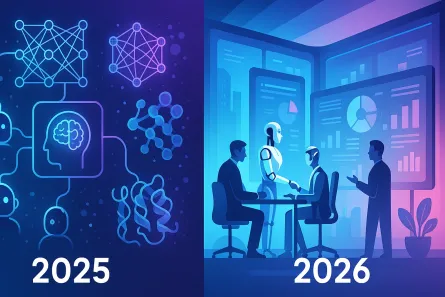
- The Big Picture: Anthropic and the U.S. Department of Energy have inked a multi‑year partnership under the Genesis Mission to embed AI across all 17 national labs.
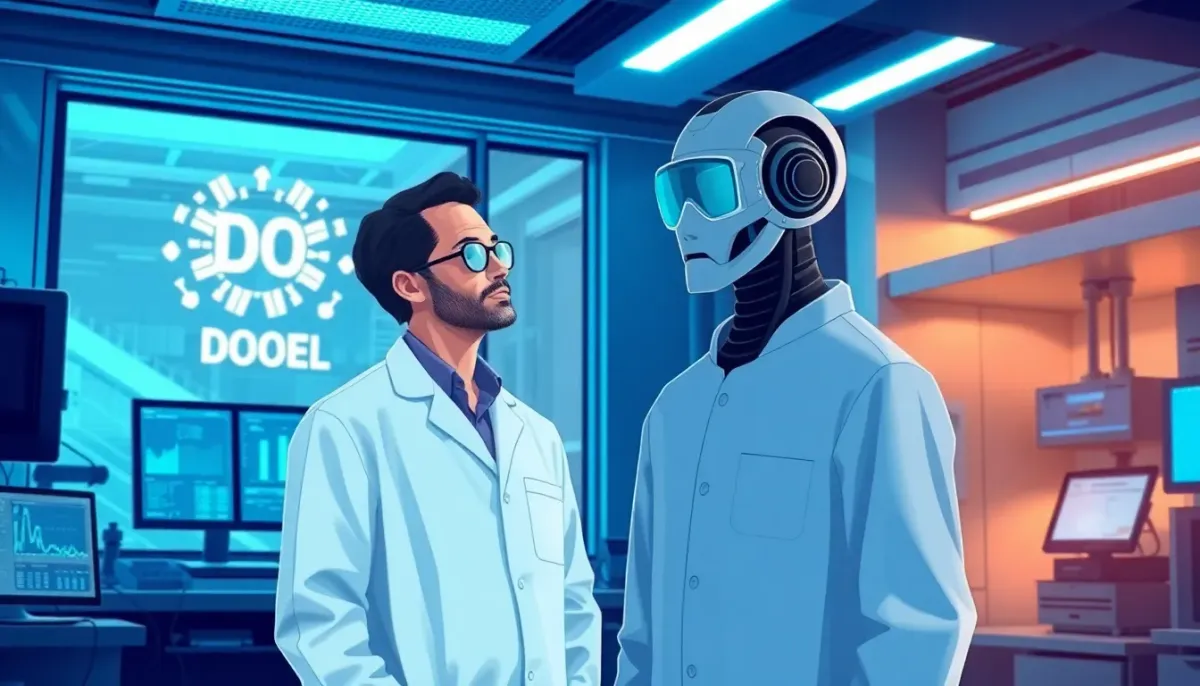
- Technical Edge: DOE researchers will get direct access to Claude and a dedicated team of Anthropic engineers to build purpose‑built AI tools.
- The Bottom Line: This alliance aims to supercharge American energy leadership, life‑science breakthroughs, and overall scientific productivity. 🚀
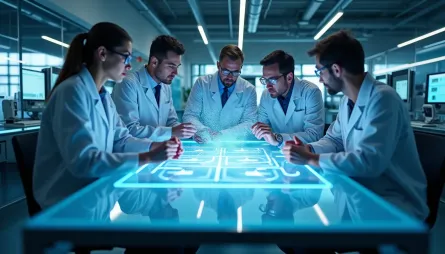
The Genesis Mission partnership is a timely response to the growing global AI race. By pairing DOE’s massive supercomputing assets with Anthropic’s frontier language model, we’re giving researchers a smarter, faster way to turn data into discovery. Imagine a physicist at Lawrence Livermore instantly querying Claude for the latest simulation insights—that’s the kind of productivity boost we’re talking about.
What the Anthropic‑DOE Genesis Mission Means for U.S. Science
The DOE’s initiative is built around three pillars: American energy dominance, biological and life sciences, and scientific productivity. Anthropic’s role is to embed AI that understands the deep context of each lab’s work, turning raw data into actionable knowledge. This isn’t just a pilot; the partnership could ripple through every national laboratory, accelerating everything from clean‑energy research to pandemic modeling.
Tools and Capabilities Anthropic Is Bringing
Anthropic will provide two core assets to DOE teams:
- Claude Access: Researchers can query the Claude model for literature reviews, hypothesis generation, and data interpretation—all within the secure DOE environment.
- Purpose‑Built Engineering Support: A dedicated group of Anthropic engineers will co‑develop tools tailored to each lab’s workflow, from risk‑classification models for nuclear safety to custom analytics dashboards.
Past collaborations give us confidence in the roadmap:
- Nuclear Risk Classifier: Co‑developed with the National Nuclear Security Administration, showcasing Anthropic’s ability to handle high‑stakes, data‑intensive tasks.
- Claude at Lawrence Livermore: Early rollout demonstrated how AI can augment cutting‑edge scientific simulations.
These experiences will inform a reusable model for how AI and human researchers can collaborate effectively across the DOE network. 🔬
The TechLife Perspective: Why This Matters
For our community of engineers, data scientists, and policy watchers, this partnership signals a shift from experimental AI pilots to institution‑wide AI adoption. It’s not just a tech upgrade; it’s a strategic move to keep the United States at the forefront of scientific innovation. As Anthropic refines Claude with real‑world lab feedback, the broader AI ecosystem will benefit from tools that are both powerful and responsibly engineered. In short, the Genesis Mission could set the standard for how government and industry co‑create the next generation of research‑grade AI.
Source: Official Link
Tags :
Share :
Stay Ahead in Tech
Join thousands of developers and tech enthusiasts. Get our top stories delivered safely to your inbox every week.
No spam. Unsubscribe at any time.