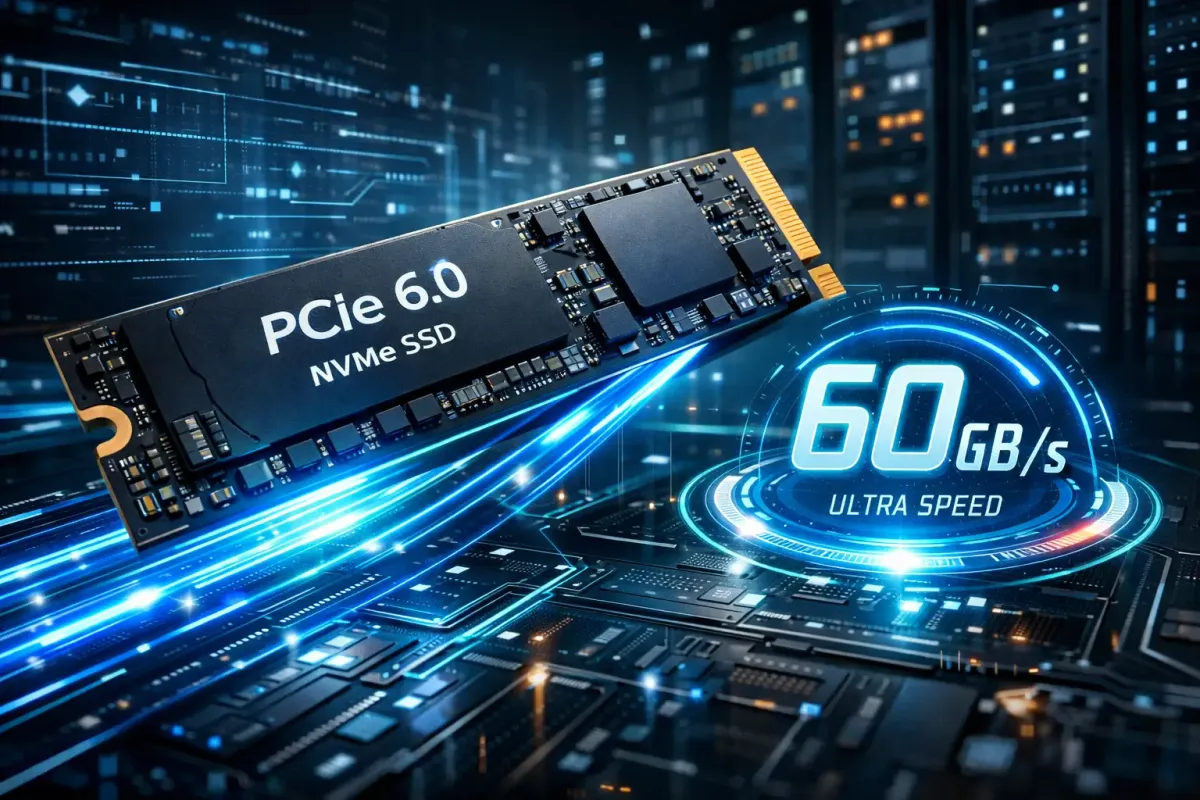
PCIe 6.0 SSDs Enter the Market: Up to 30 GB/s Sequential Performance Marks the Start of a New Enterprise Storage Era in 2025
- Turker Senturk
- Hardware
- 25 Dec, 2025
- 14 min read
The storage industry has officially entered a new era. In 2025, PCIe 6.0 SSDs reached up to 28–30 GB/s sequential read speeds, delivering performance that was previously only possible with complex multi-drive RAID configurations. What once required several high-end PCIe 5.0 drives in RAID can now be approached or matched by a single PCIe 6.0 drive in many workloads. But here’s the catch: these revolutionary drives are headed to data centers first, and consumers won’t see them until around 2030.
Let’s break down everything about PCIe 6.0 SSDs, from the technology behind them to the first products hitting the market, and what this means for both enterprise users and everyday consumers.
What Makes PCIe 6.0 So Fast?
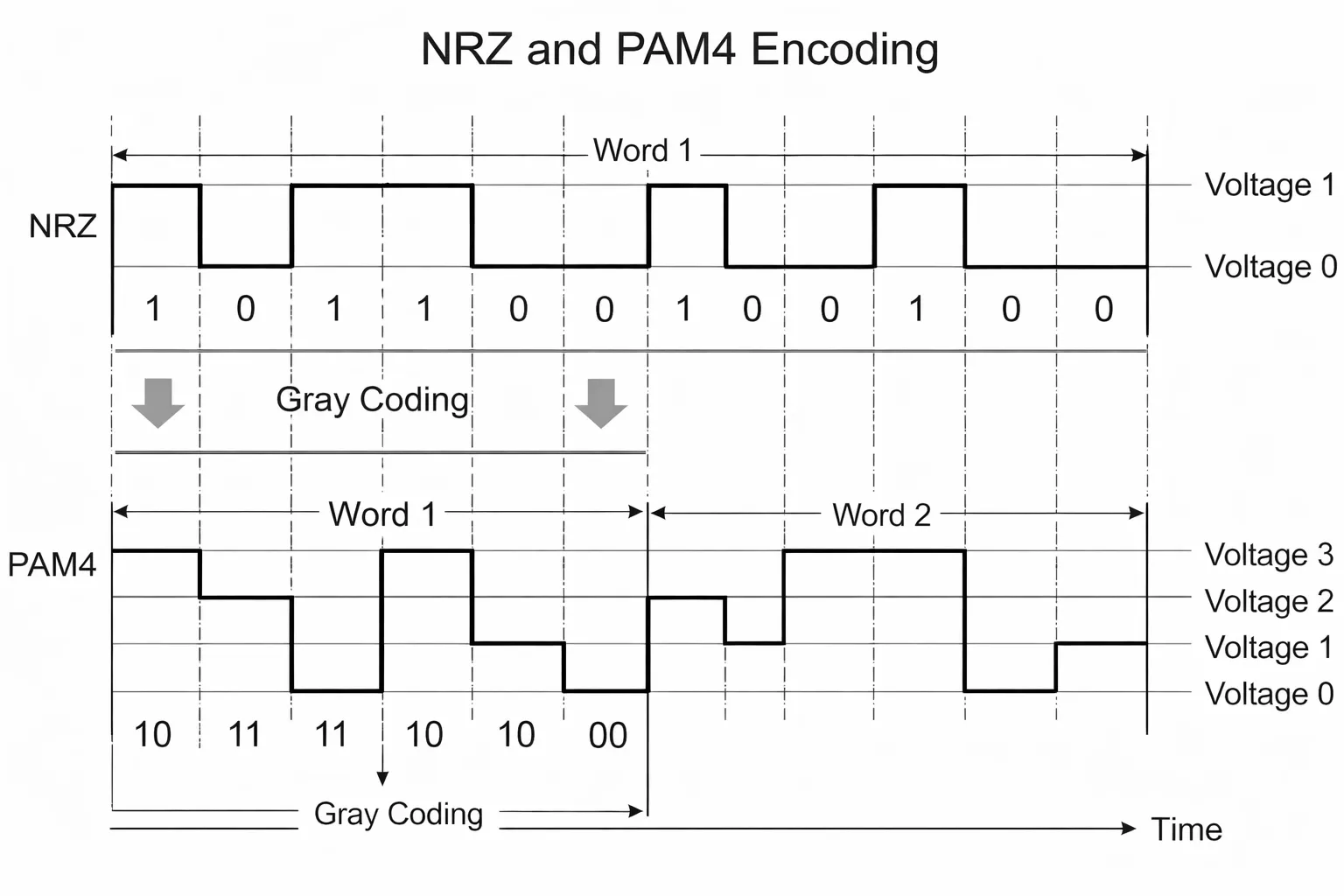
PCIe 6.0 doubles the bandwidth of its predecessor by introducing a fundamentally different approach to data transmission. Instead of the traditional NRZ (non-return-to-zero) signaling used in previous generations, PCIe 6.0 uses PAM4 (Pulse Amplitude Modulation with four levels). This allows two bits of data to be transmitted per unit interval instead of one, effectively doubling throughput without doubling the signal frequency.
Each PCIe 6.0 lane operates at 64 GT/s (gigatransfers per second). For the standard x4 configuration used in M.2 SSDs, this translates to a theoretical raw bandwidth of 256 GT/s. After accounting for encoding overhead, you’re looking at approximately 31.5 GB/s of usable bandwidth for a single drive.
PCIe 6.0 also introduces FLIT mode (Flow Control Units), which packages data into 256-byte packets with built-in forward error correction (FEC). This approach achieves about 92% payload efficiency while providing robust error detection and correction. The specification targets an overall latency under 2 nanoseconds with less than 2% overhead.
One important consideration: PCIe 6.0’s high-speed signaling limits trace lengths to about 12 inches on motherboards and 3-4 inches on add-in cards. This requires more sophisticated board designs, retimers, and higher-quality materials, all of which add to the cost.
PCIe Generation Comparison
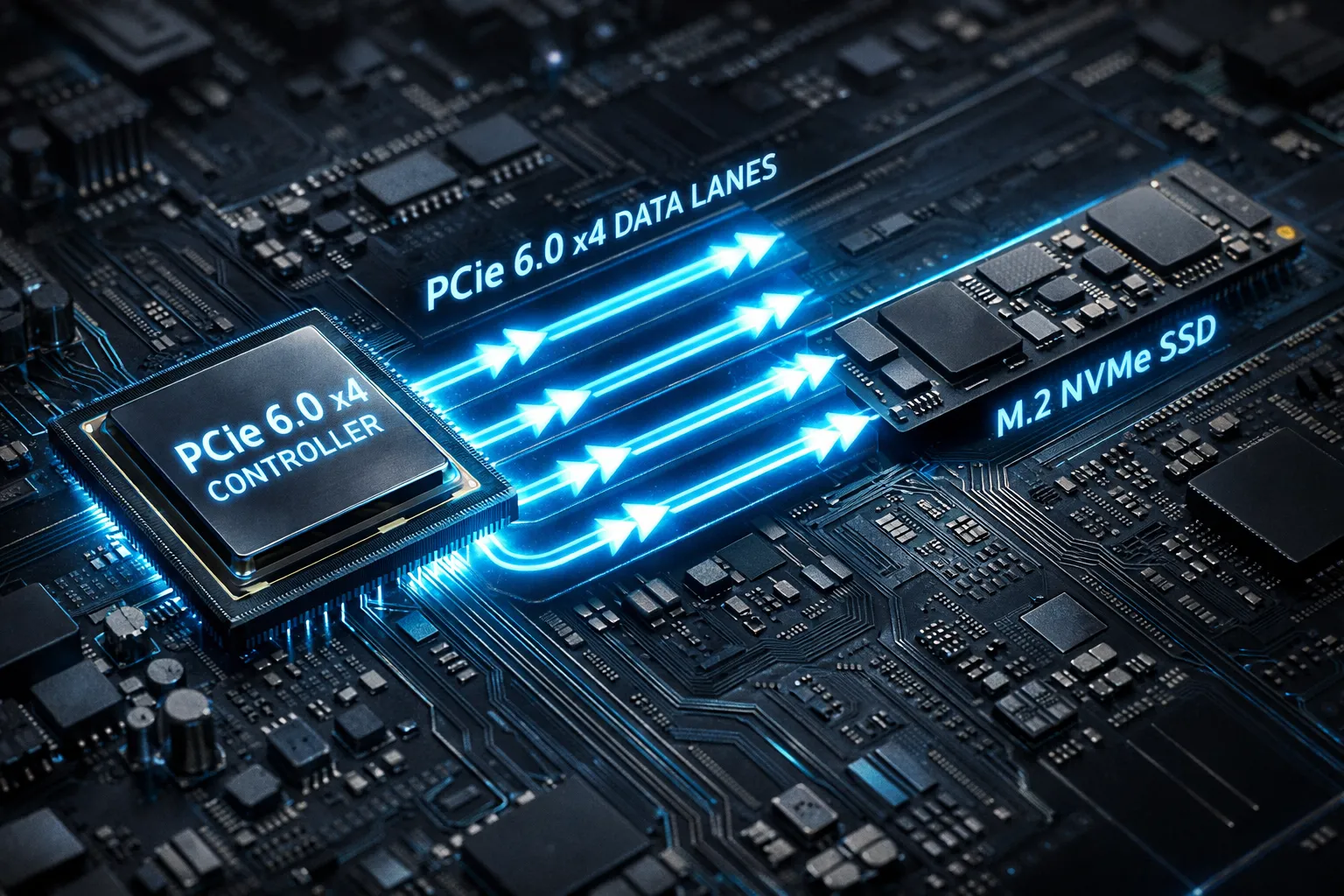
To understand how significant this jump is, let’s compare the three most recent PCIe generations for typical M.2 NVMe drives:
| Feature | PCIe 4.0 | PCIe 5.0 | PCIe 6.0 |
|---|---|---|---|
| Signaling | NRZ, 128b/130b | NRZ, 128b/130b | PAM4, FLIT mode with FEC |
| Per-Lane Data Rate | 16 GT/s | 32 GT/s | 64 GT/s |
| Theoretical x4 Bandwidth | 64 GT/s | 128 GT/s | 256 GT/s |
| Effective Payload Throughput (x4) | ~7.88 GB/s | ~15.75 GB/s | ~31.5 GB/s |
| Typical Sequential Reads | 5-7 GB/s | 12-14 GB/s | 28-30 GB/s |
| Typical Random IOPS | ~1 million | ~2-3 million | 5-7 million |
| Current Market Status | Mainstream | Enthusiast/Enterprise | Enterprise Only |
The numbers speak for themselves: PCIe 6.0 roughly quadruples the throughput of PCIe 4.0 drives and doubles what’s possible with PCIe 5.0.
First PCIe 6.0 SSDs on the Market
Micron 9650: The World’s First PCIe 6.0 SSD
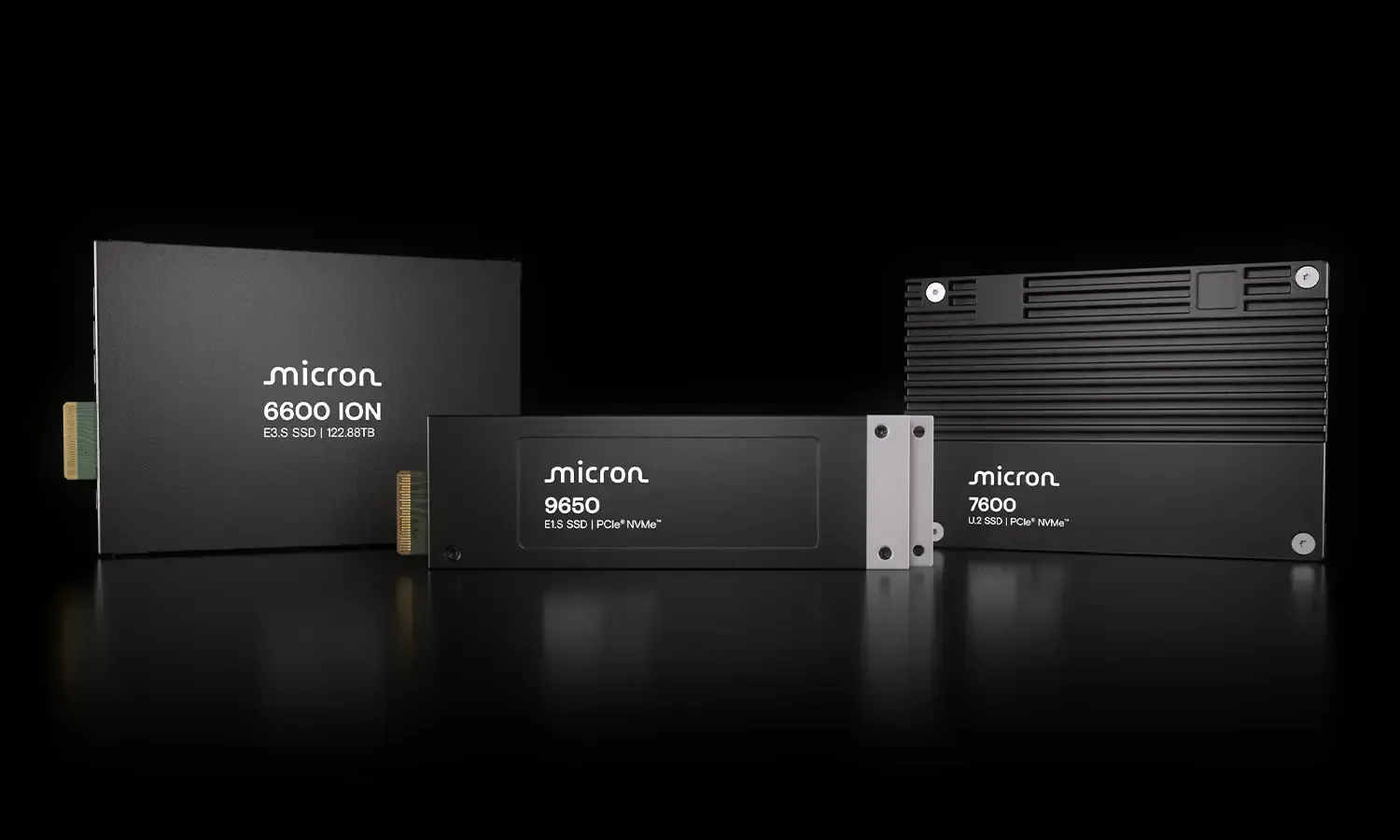
Micron made history by launching the industry’s first PCIe 6.0 SSD in late July 2025. The Micron 9650 is built around Micron’s proprietary controller and their cutting-edge 276-layer G9 TLC NAND with a 3.6 GB/s per-die interface.
Key specifications:
- Sequential read: Up to 28 GB/s
- Sequential write: Up to 14 GB/s
- Random read IOPS: 5.5 million
- Random write IOPS: Up to 900,000
- Available capacities: 6.4TB to 30.72TB
- Form factors: E1.S (9.5mm and 15mm), E3.S
- Cooling options: Air-cooled and liquid-cooled versions
At Computex 2025, Micron demonstrated an engineering sample with Astera Labs that achieved an impressive 30.25 GB/s sequential read speed. The drive is designed to work with NVIDIA’s Blackwell GPUs via PCIe 6.0 peer-to-peer connections using retimers, bypassing the CPU entirely for AI training and inference workloads.
Micron claims the 9650 offers up to 25% better energy efficiency for random writes and 67% better efficiency for random reads compared to PCIe Gen5 drives. The drive is FIPS 140-3 Level 2 compliant, making it suitable for government deployments.
Samsung PM1763: 30 GB/s Performance

Samsung unveiled the PM1763 at the Future of Memory and Storage 2025 event, targeting an early 2026 launch. This drive uses Samsung’s new 16-channel controller and promises to push PCIe 6.0 to its limits.
Key specifications:
- Sequential throughput: Up to 30 GB/s
- Power consumption: 25W
- Energy efficiency: 60% more efficient than previous Samsung enterprise drives
- Form factor: E1.S
- Interface: PCIe 6.0 x4
Samsung is also planning massive QLC drives in the future: a 256TB PCIe 6.0 SSD for 2026 and an even more staggering 512TB version for 2027. These ultra-high-capacity drives will use the EDSFF 1T form factor and target data centers that need extreme storage density.
FADU Sierra FC6161: Efficiency Champion
South Korean controller manufacturer FADU announced its Sierra FC6161 controller at FMS 2025, with Meta reportedly being one of the first major customers for AI workloads.
Key specifications:
- Sequential read/write: 28.5 GB/s
- Random read IOPS: 6.9 million
- Random write IOPS: 1 million
- Maximum capacity supported: 512TB
- Power consumption: Under 9W
The sub-9W power consumption is particularly impressive, making FADU’s controller one of the most power-efficient options for enterprise deployments. The company has confirmed supply agreements with two of the four major hyperscalers (AWS, Google, Microsoft, Meta), with Meta being the most likely early adopter.
Silicon Motion Neptune: Future Consumer Hope
For those wondering about consumer drives, Silicon Motion provided a glimpse of hope with the Neptune SM2608 controller at FMS 2025. This is the first announced PCIe 6.0 controller specifically targeting client PCs.
Key specifications:
- Sequential read: Over 25 GB/s
- Random IOPS: 3.5 million
- NAND channels: 8 (supporting 4800 MT/s NAND)
- Mass production: 2028
- Expected consumer SSDs: 2029-2030
Silicon Motion CEO Wallace Kou was refreshingly honest about the timeline: “You will not see any PCIe Gen6 [solutions] until 2030. PC OEMs have very little interest in PCIe 6.0 right now — they do not even want to talk about it. AMD and Intel do not want to talk about it.”
Complete Product Comparison Table
| Manufacturer | Model | Interface | Sequential Read/Write | Random IOPS (R/W) | Power | Status |
|---|---|---|---|---|---|---|
| Micron | 9650 Pro/Max | PCIe 6.0 x4 | 28 GB/s / 14 GB/s | 5.5M / 900K | 15-25W | Shipping to customers |
| Samsung | PM1763 | PCIe 6.0 x4 | 30 GB/s | N/A | 25W | Early 2026 launch |
| FADU | Sierra FC6161 | PCIe 6.0 x4 | 28.5 GB/s | 6.9M / 1M | <9W | Controller available |
| Silicon Motion | Neptune SM2608 | PCIe 6.0 x4 | >25 GB/s | 3.5M | TBD | 2028 mass production |
The NAND Flash Revolution Behind PCIe 6.0
PCIe 6.0 performance wouldn’t be possible without major advances in NAND flash technology. Here’s what’s powering these drives:
Micron 276-Layer G9 TLC NAND
Micron’s ninth-generation NAND features 276 layers and a 3.6 GB/s per-die interface, approximately 50% faster than competing NAND. According to Micron, G9 NAND delivers 99% higher write bandwidth and 88% higher read bandwidth per die while reducing die area by 28%.
SK hynix 321-Layer 4D NAND
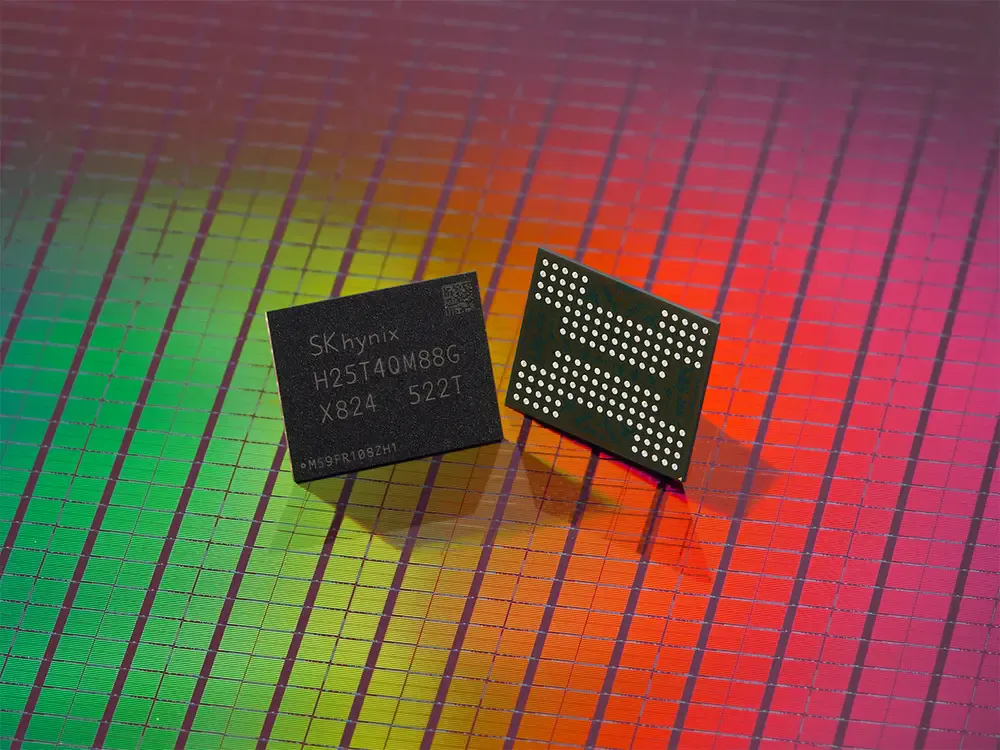
SK hynix achieved a major milestone with the world’s first 321-layer TLC NAND, entering mass production in late 2024 with customer shipments beginning in the first half of 2025. The company’s “3 plugs” process technology enabled this breakthrough.
Performance improvements over 238-layer NAND:
- Data transfer speed: 12% faster
- Read performance: 13% better
- Power efficiency: Over 10% improved
- Production efficiency: 59% better
SK hynix has also begun mass production of 321-layer QLC NAND with 2Tb capacity, doubling the density of previous solutions. This will enable ultra-high-capacity enterprise SSDs for AI servers.
Samsung 280-Layer V-NAND
Samsung’s ninth-generation V-NAND uses a double-stack 280-layer architecture, increasing density by 86% over the previous generation. The company is actively working on 300+ layer designs and plans to deliver 512TB QLC drives on PCIe 6.0 by 2027.
Real-World Performance: What to Expect
Benchmark Results
Since no consumer platforms support PCIe 6.0 yet, real-world data comes from enterprise demonstrations:
-
Micron 9650/9650 Pro: Achieved 28 GB/s sequential reads and 14 GB/s writes in server testing, matching official specifications. The 30.25 GB/s demo at Computex used the engineering sample with optimized conditions.
-
HighPoint RocketAIC 7608AW (PCIe 5.0 comparison): For context, this eight-drive PCIe 5.0 RAID card achieved about 56 GB/s throughput. A single PCIe 6.0 drive now delivers roughly half this performance without the complexity of RAID.
Random I/O Performance
Early PCIe 6.0 drives deliver over 1 million random IOPS at QD1 and 5-7 million IOPS at high queue depths, roughly doubling the performance of leading PCIe 5.0 drives.
Sustained Write Considerations
High sequential speeds come with caveats. Even with multi-terabyte SLC caches, drives may throttle sequential writes to approximately 20 GB/s once the cache is exhausted. Thermal management is critical, as sustained 64 GT/s operation generates significant heat.
Mixed Workload Reality
In realistic enterprise workloads with a 70/30 read-write mix, early PCIe 6.0 drives provide around 25 GB/s effective throughput. Write performance drops to 10-12 GB/s due to NAND program/erase latency.
Who Needs PCIe 6.0 SSDs?
Enterprise and Data Center Applications

PCIe 6.0 SSDs are primarily designed for demanding enterprise workloads:
AI/ML Training Pipelines: Large language models and generative AI require streaming terabytes of training data into GPU clusters. A single PCIe 6.0 SSD can feed multiple accelerators concurrently, reducing staging time between training epochs. FADU specifically positions its Gen6 controller for AI clusters, delivering 6.9 million IOPS at under 9W.
High-Frequency Trading: Microseconds matter in financial systems. The low latency and high IOPS of PCIe 6.0 drives improve index updates and log ingestion for real-time analytics.
Cloud Storage and Caching: Hyperscalers like Meta and AWS can deploy PCIe 6.0 SSDs in EDSFF form factors to build dense, efficient storage tiers. High sequential throughput enables faster cold-data tiering.
Database Acceleration: Columnar databases and OLTP systems benefit from the IOPS improvements. Processing millions of random reads per second accelerates transaction processing and analytics.
Future Consumer Applications
When PCIe 6.0 eventually reaches consumer PCs (around 2029-2030), it will benefit:
Content Creation: Real-time playback and scrubbing of uncompressed 8K video, faster RAW photo processing, and reduced export times for video editing.
Gaming: Microsoft’s DirectStorage 2.0 and virtual texture streaming will benefit from reduced asset-load latencies, enabling larger open-world environments and instant fast-travel.
Workstations: Scientific computing and engineering simulations that shuttle gigabytes of data between storage and memory will see significant productivity improvements.
The Challenges Holding Back Consumer Adoption
No CPU or Platform Support
As of late 2025, no consumer CPUs or mainstream server platforms support PCIe 6.0. Intel’s Arrow Lake-S and AMD’s Granite Ridge (Zen 5) processors provide only PCIe 5.0 lanes. PCIe 6.0 support isn’t expected in consumer platforms until at least 2028.
Signal Integrity and Cost
PCIe 6.0’s 64 GT/s signaling dramatically limits channel reach, requiring high-quality PCB materials and additional retimers. Each retimer adds cost and latency. Consumer motherboards integrating multiple retimers and high-layer count PCBs could cost significantly more.
Thermal Management
Drive controllers and NAND operating at high frequencies generate substantial heat. Enterprise drives like the Micron 9650 require liquid cooling options. Consumer drives will need larger heatsinks, active fans, or innovative thermal solutions.
Power Consumption
Enterprise PCIe 6.0 drives consume 15-25W at full speed. While FADU’s efficient design keeps consumption under 9W, mainstream consumer drives must balance performance with laptop battery life. The new L0p power state helps by dynamically reducing active lanes during idle periods.
Price Reality
Initial PCIe 6.0 SSDs command premium prices due to cutting-edge controllers, advanced NAND, and low production volumes. Analysts expect early units to cost several thousand dollars per terabyte. For many users, PCIe 5.0 or even PCIe 4.0 drives provide adequate performance at a fraction of the cost.
When Can Consumers Expect PCIe 6.0?
The honest answer: not until around 2030. Here’s the expected timeline:
| Timeframe | Milestone |
|---|---|
| 2025 | First PCIe 6.0 enterprise SSDs ship (Micron 9650) |
| Early 2026 | Samsung PM1763 and more enterprise drives launch |
| 2026-2027 | Broader enterprise adoption, AI server deployments |
| 2028 | Consumer SSD controllers enter mass production |
| 2029-2030 | First consumer PCIe 6.0 SSDs arrive |
Silicon Motion’s candid assessment from CEO Wallace Kou sums it up: “PC OEMs have very little interest in PCIe 6.0 right now — they do not even want to talk about it. AMD and Intel do not want to talk about it.”
What You Need for PCIe 6.0 (When It Arrives)
For those planning to adopt PCIe 6.0 storage in the coming years:
-
Compatible CPU/Chipset: Wait for CPUs and platforms with native PCIe 6.0 lanes (likely post-2027). Ensure the chipset includes retimers or dedicated Gen6 slots.
-
Proper Motherboard Design: Look for motherboards with short, direct traces for M.2/EDSFF slots, high-quality materials, and appropriate retimers. EDSFF E1.S/E3.S connectors will be more common than traditional M.2.
-
Cooling Solutions: Plan for larger heatsinks, active fans, or liquid cooling over storage slots. Cases should include dedicated airflow for high-speed NVMe drives.
-
Adequate Power Supply: Ensure your PSU can handle the 15-25W consumption of high-performance drives and that the motherboard provides sufficient power per slot.
-
Operating System Support: Update to OS versions with NVMe 2.1 drivers that support PCIe 6.0 L0p states and FLIT mode. Linux kernel 5.14+ and Windows 11/12 include this support.
-
Evaluate Your Actual Needs: For many tasks, PCIe 5.0 or even SATA drives may suffice until the ecosystem matures. Real-world bottlenecks often lie elsewhere in the system.
The Road to PCIe 7.0
The storage industry never stops. The PCI-SIG has already begun work on PCIe 7.0, targeting 128 GT/s per lane, which would deliver approximately 128 GB/s throughput for an x4 link. The specification is expected around 2027, with products appearing closer to 2030.
As the industry shifts from NRZ to PAM4 and eventually to higher-order modulation schemes, we’ll see continued innovation in PCB materials, connectors, and error correction. The emerging CXL (Compute Express Link) ecosystem may also blur the line between SSDs and memory modules, enabling memory pooling and disaggregated architectures.
The Bottom Line
PCIe 6.0 represents a genuine milestone in storage technology. Delivering real-world sequential performance of 28–30 GB/s in a single x4 link requires sophisticated PAM4 signaling, FLIT mode with forward error correction, advanced controllers, and dense 200+ layer NAND flash.
For enterprise users focused on AI workloads, high-frequency trading, or hyperscale cloud infrastructure, PCIe 6.0 drives from Micron and Samsung offer compelling performance that justifies the premium pricing. These organizations will be the primary adopters through 2026-2027.
For consumers, the message is clear: don’t hold your breath. PCIe 5.0 remains the sweet spot for enthusiasts, and even PCIe 4.0 drives satisfy most users’ needs. By the time PCIe 6.0 reaches gaming PCs and laptops around 2030, workflows will have evolved to take advantage of the bandwidth.
The storage revolution is happening right now in data centers. The rest of us will just have to wait a few more years.
Sources:
- Tom’s Hardware - Micron’s Industry-First PCIe 6.0 SSD
- Tom’s Hardware - PCIe 6.0 SSD with 30.25 GB/s at Computex
- Club386 - Samsung PM1763 PCIe 6.0 SSD
- WCCFTech - FADU Sierra FC6161 Controller
- Tom’s Hardware - Silicon Motion Neptune PCIe 6.0 Controller
- Tom’s Hardware - PCIe 6.0 SSDs Won’t Arrive Until 2030
- SK hynix - 321-Layer NAND Announcement
- TechSpot - Micron G9 TLC NAND
- PCI-SIG - PCIe 6.0 Specification Q&A
- Network World - Micron Unveils PCIe Gen6 SSD
Share :
Stay Ahead in Tech
Join thousands of developers and tech enthusiasts. Get our top stories delivered safely to your inbox every week.
No spam. Unsubscribe at any time.