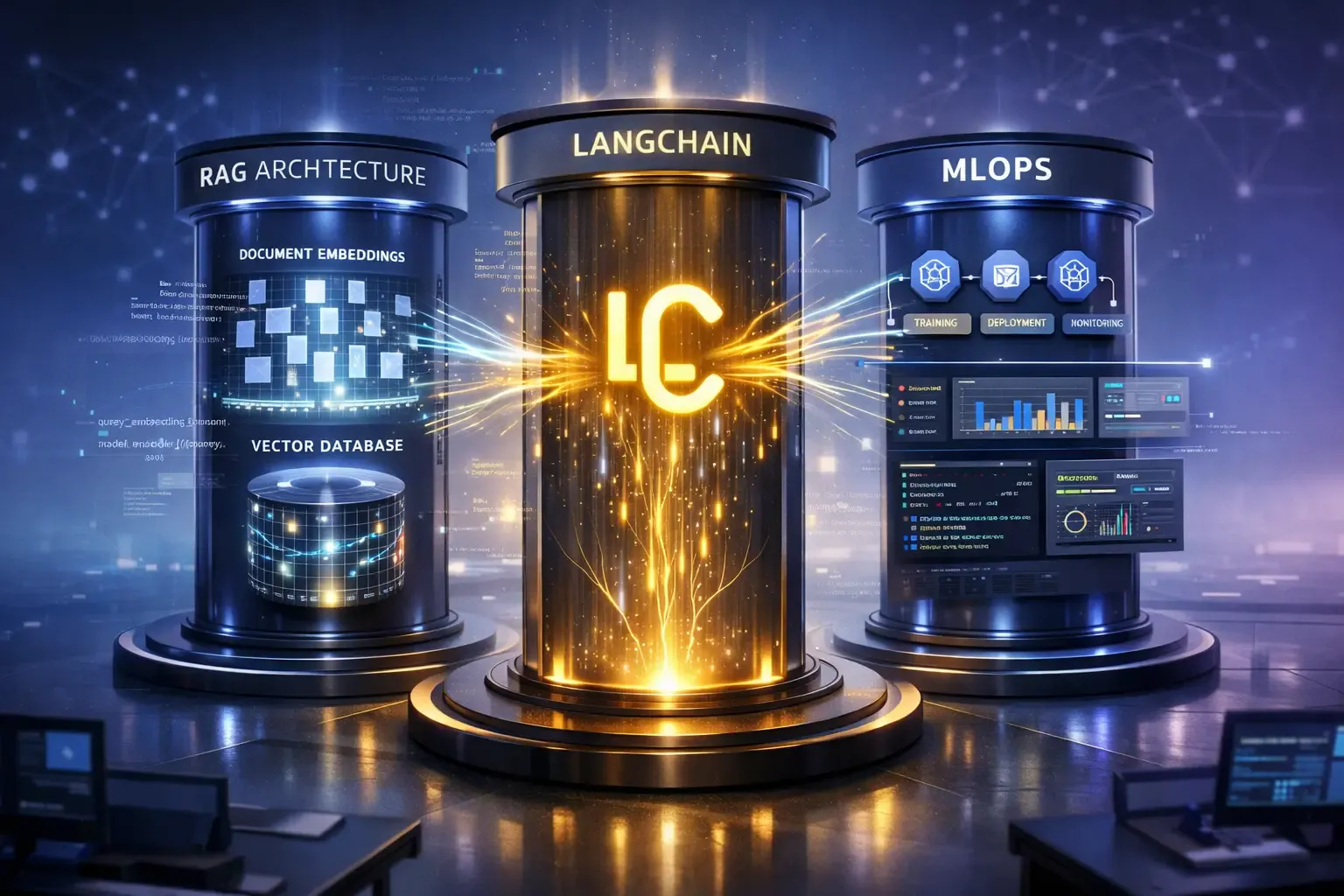
Three interconnected pillars representing the 2025 AI skills trifecta: LangChain orchestration, RAG knowledge grounding, and MLOps production deployment

AI Skills 2025: LangChain, RAG & MLOps—The Complete Guide

The three critical competencies reshaping AI hiring in 2025: LangChain for agent orchestration, RAG for knowledge grounding, and MLOps for production deployment. Complete guide with learning roadmap.

December 24, 2025 · 20 min · TechLife
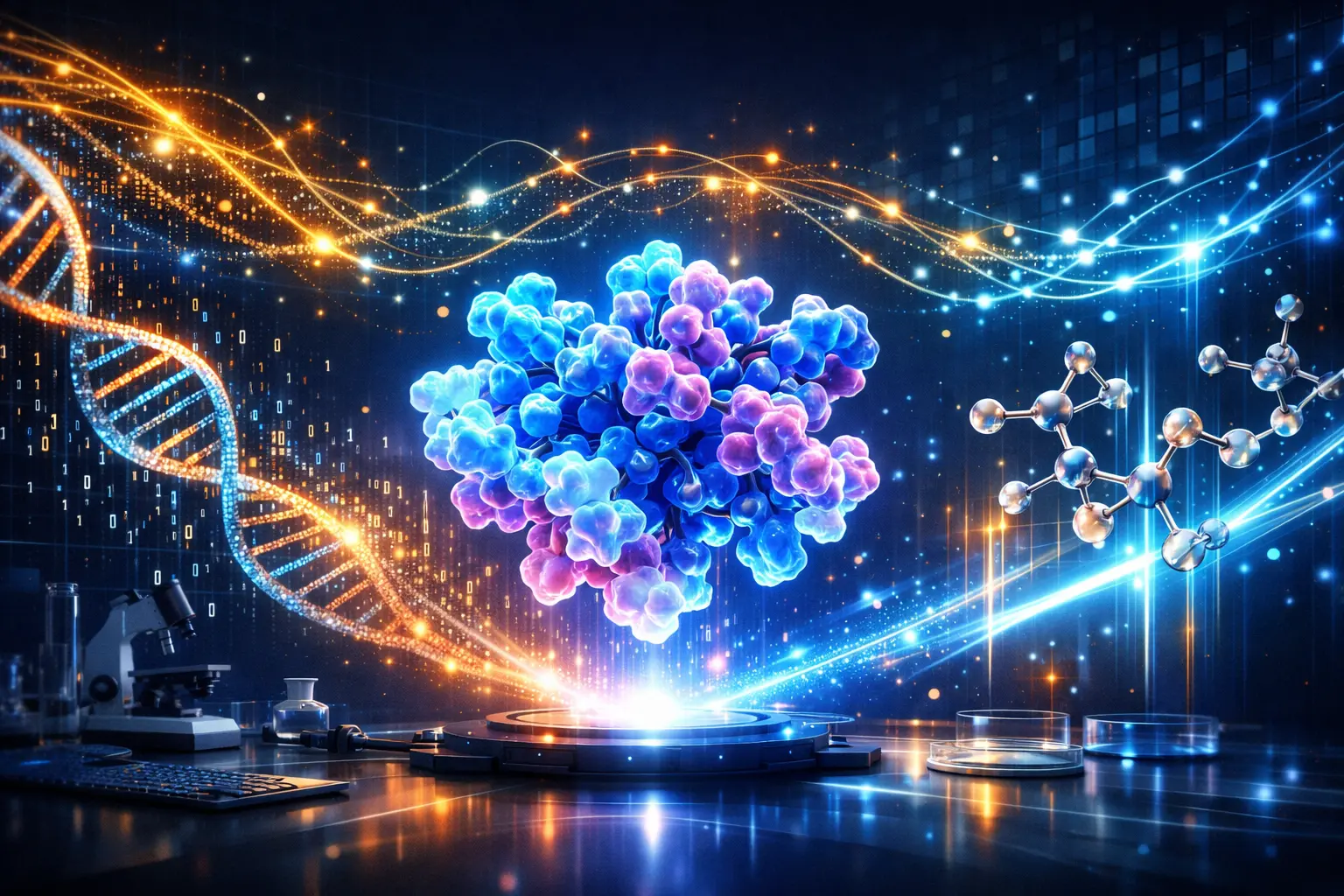
AI in Scientific Discovery - AlphaFold and AI Co-Scientist

AI Transforms Scientific Discovery: How AlphaFold and AI Co-Scientist Are Reshaping Research

For decades, scientific productivity has struggled despite increasing funding and larger research teams. Papers became more incremental, experimental projects stretched for years, and the cost of acquiring new data kept rising. A single protein structure determination could require an entire PhD program and hundreds of thousands of dollars. That narrative changed dramatically in late 2024 when Demis Hassabis and John Jumper received the Nobel Prize in Chemistry for their work on AlphaFold. This recognition marked a pivotal moment: an AI system had decoded protein structures at atomic accuracy, compressing what once took years into mere minutes. ...

December 24, 2025 · 12 min · TechLife
Samsung Odyssey gaming monitors showcase 6K glasses‑free 3D and ultra‑high refresh rates

Samsung Odyssey Gaming Monitors Debut 6K 3D and 1,040Hz Refresh

Key Highlights The Big Picture: Samsung’s 2026 Odyssey series introduces world‑first 6K glasses‑free 3D and a 1,040 Hz refresh rate for ultra‑responsive gaming. Technical Edge: The 32‑inch Odyssey 3D (G90XH) delivers 6K resolution at 165 Hz native, boosted to 330 Hz in Dual Mode, while the 27‑inch Odyssey G6 (G60H) reaches a staggering 1,040 Hz in HD mode. The Bottom Line: Gamers and creators now have monitors that eliminate visual fatigue, cut motion blur, and add true depth without a headset—making high‑speed play feel more natural than ever. 🎮 Introduction If you’ve ever felt limited by a monitor that can’t keep up with fast‑paced titles, Samsung’s latest Odyssey lineup is a breath of fresh air. The Samsung Odyssey gaming monitors bring two groundbreaking technologies—6K glasses‑free 3D and a 1,040 Hz refresh rate—into a single family of displays. Let’s explore how these specs translate into real‑world benefits for both competitive players and visual creators. ...

December 23, 2025 · 4 min · TechLife
Mobile Gaming Dominance 2025

Why Genshin Impact and PUBG Mobile Still Dominate Mobile Gaming in 2025

Mobile gaming isn’t just big—it’s massive. In 2024, the sector generated $92 billion, accounting for nearly half of all gaming revenue worldwide. While new titles constantly emerge, two giants continue to reign: Genshin Impact and PUBG Mobile. Here’s why these games still dominate in 2025, and what their success reveals about the future of mobile gaming. The Mobile Gaming Boom: Numbers That Matter Mobile gaming has become the industry’s powerhouse. Players spent $82 billion on in-app purchases in 2024—a 4% increase from the previous year. What’s more telling? While downloads dropped 7%, time spent gaming increased 8%. Players are investing more time and money into fewer, better games. ...

December 23, 2025 · 8 min · TechLife
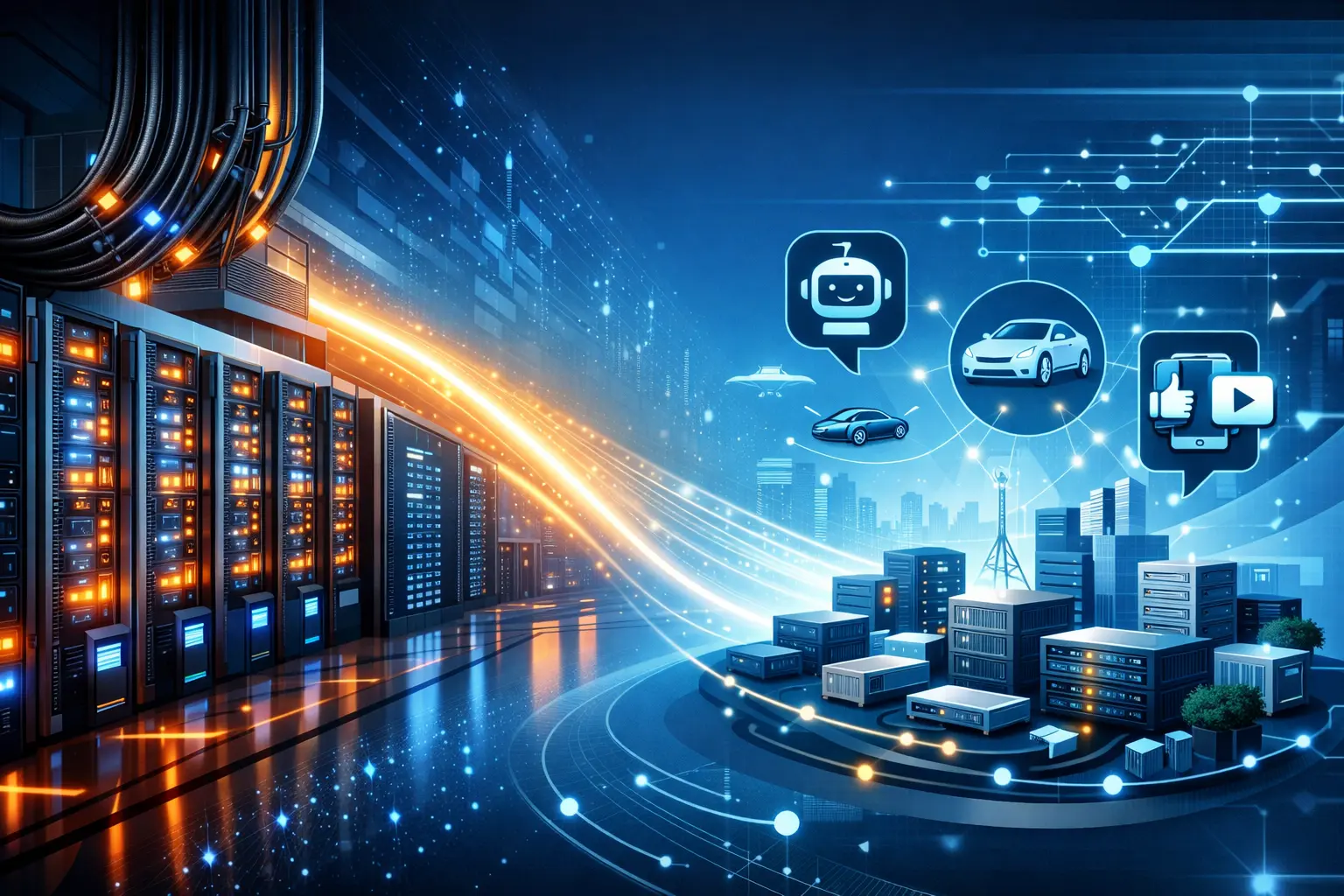
AI Training vs Inference: Why 2025 Changes Everything for Real-Time Applications

AI Training vs Inference: Why 2025 Changes Everything for Real-Time Applications

The AI landscape is experiencing a fundamental shift. After years of focusing on training massive models, the industry is pivoting toward inference — the phase where trained models actually do useful work. This isn’t just a technical change; it’s an economic revolution that will reshape data centers, business models, and how we think about AI infrastructure. What Makes Training and Inference Different? Think of AI development in two distinct phases. Training is like going to medical school — an intense, expensive, one-time investment where you learn everything. Inference is like practicing medicine — you use what you learned millions of times, every single day. ...

December 23, 2025 · 8 min · Techlife
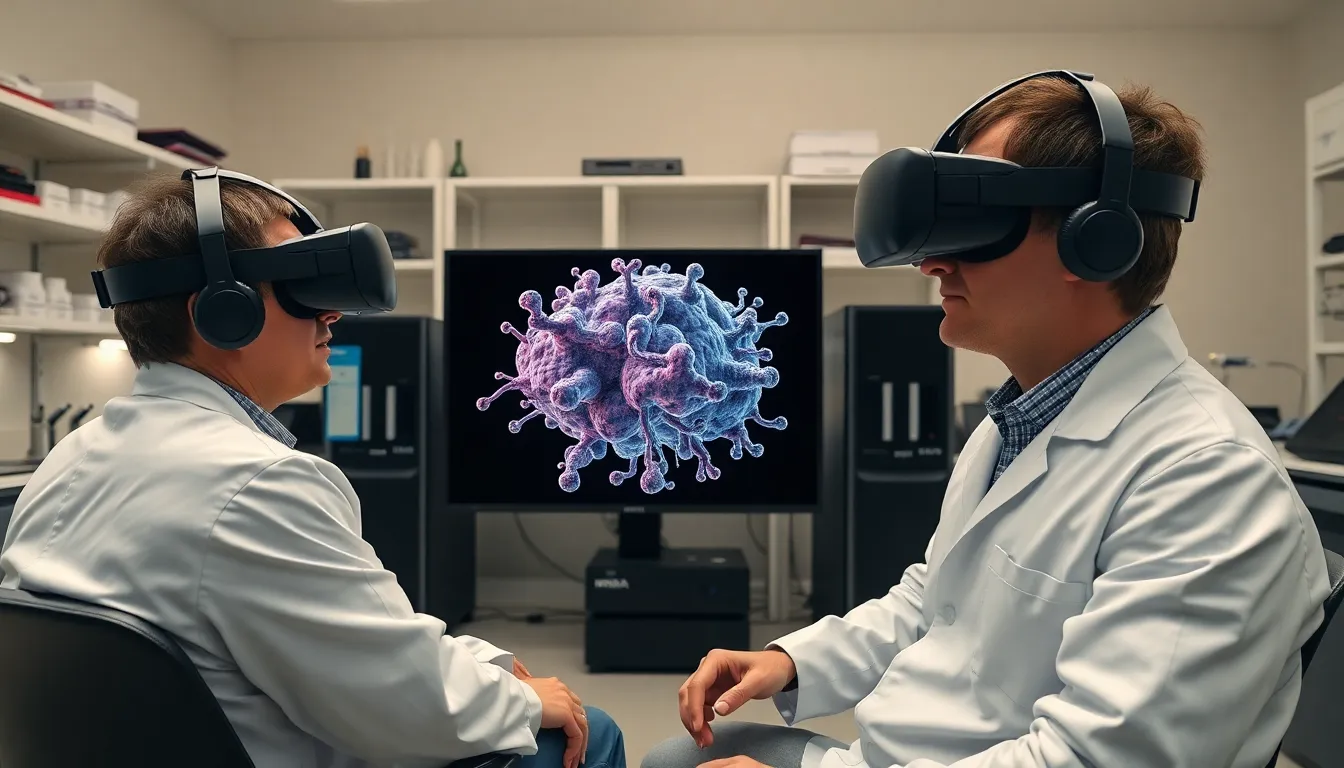
Researchers using VR headsets to explore hippocampal protein markers

NVIDIA RTX GPUs Power VR Memory Research at MBL

Key Highlights The Big Picture: Researchers blend AI, VR, and high‑performance hardware to map memory proteins in the hippocampus. Technical Edge: NVIDIA RTX GPUs and HP Z Workstations enable 10 TB of 3D volumetric data to be inspected in real time. The Bottom Line: The workflow turns a months‑long bottleneck into an interactive experience, even for high‑school interns. Memory research has long wrestled with massive 3D datasets, but the NVIDIA RTX GPUs and HP Z platform are changing the game. By bringing AI‑driven visualization into a virtual‑reality lab, scientists at the Marine Biological Laboratory (MBL) are finally able to see how tiny protein markers encode our memories 🧠. ...

December 23, 2025 · 3 min · TechLife
Illustration of a reinforcement‑learning robot protecting a browser agent from malicious code

ChatGPT Atlas Gets New Shield Against Prompt‑Injection Attacks

Key Highlights The Big Picture: OpenAI just shipped a rapid‑response security update that hardens ChatGPT Atlas’s browser agent against prompt‑injection attacks. Technical Edge: An automated red‑teamer, trained with reinforcement learning, now discovers and patches novel injection strategies before they hit the wild. The Bottom Line: Your Atlas‑powered workflows become safer, letting you trust the agent to act like a security‑savvy colleague. 🚀 Introduction: Prompt injection has emerged as a top‑risk vector for AI agents that operate inside browsers. OpenAI’s latest update to ChatGPT Atlas tackles this threat head‑on by coupling automated RL red‑teamers with adversarial model training. In this post we break down how the new defenses work and why they matter for anyone who lets an AI handle emails, purchases, or other sensitive tasks. ...

December 23, 2025 · 4 min · TechLife
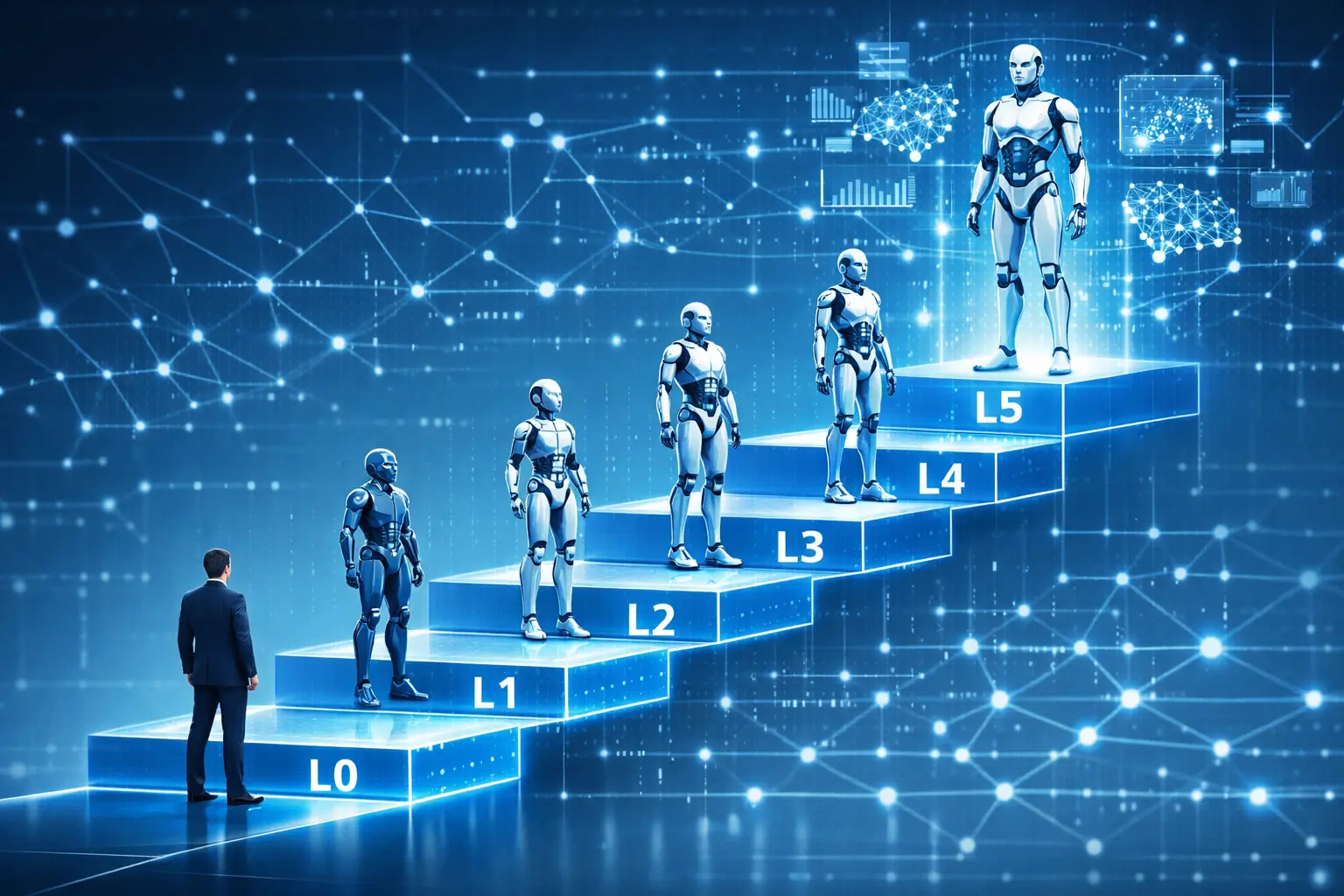
Data Agents L0-L5 Hierarchy Visualization

Data Agents L0-L5: Understanding the New Autonomy Hierarchy That's Reshaping AI

AI systems that can perceive, reason, plan, and act autonomously are no longer just science fiction. In 2025, organizations around the world are deploying autonomous agents to handle everything from email summaries and customer support tickets to competitive research and complex data analysis. These systems promise enormous productivity gains, but they also raise important questions about trust and control. Here’s a striking statistic: according to Capgemini’s 2025 research report “Rise of Agentic AI,” only 27% of organizations trust fully autonomous AI agents, down from 43% just one year earlier. Much of this confusion stems from the term “data agent” itself, which has been applied to everything from simple SQL chatbots to sophisticated multi-agent orchestration systems. Without a clear vocabulary, it becomes nearly impossible to set proper expectations, build appropriate guardrails, or design responsible products. ...
December 22, 2025 · 12 min · TechLife
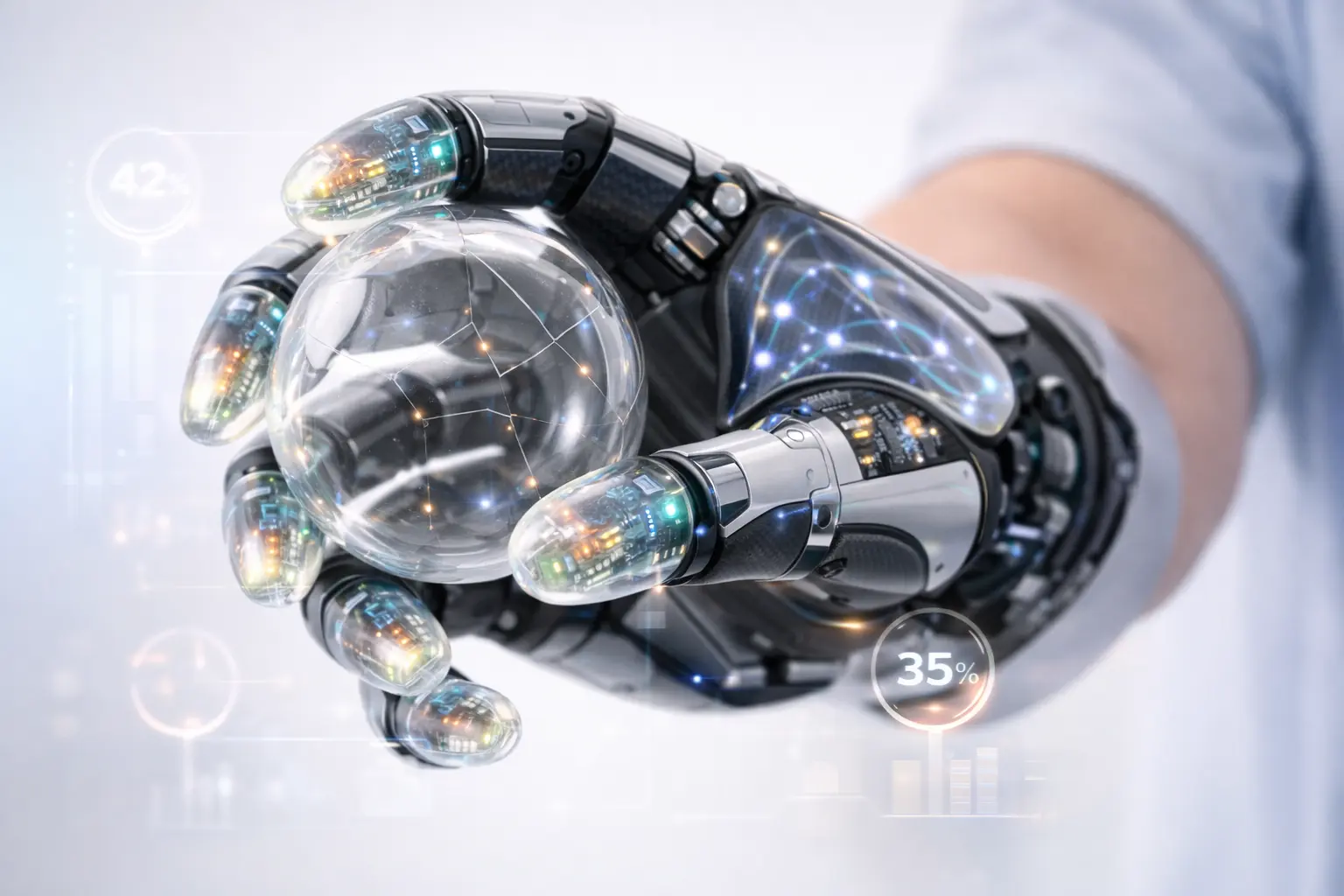
AI‑powered bionic hand with sensor‑filled fingertips grasping a cup

AI Bionic Hand Co‑Pilot Boosts Grip Success to 90%

Key Highlights The Big Picture: An AI co‑pilot lets bionic hands grip objects with up to 90 % success, narrowing the gap with natural hands. Technical Edge: Custom pressure & proximity sensors feed a real‑time AI controller that auto‑adjusts each finger’s force. The Bottom Line: Users spend far less mental effort, making prosthetic use feel more like an extension of the body. Intro: If you’ve ever tried a modern bionic hand, you know the learning curve can feel like juggling 27 joints while keeping your mind on a math problem. The new AI bionic hand co‑pilot changes that by handling the fine‑grained grip adjustments for you, so you can focus on the task at hand. ...

December 22, 2025 · 3 min · TechLife
Collage of Java logos and recent framework release icons

Java Ecosystem Surge: JDK 26/27 EA, GlassFish 8.0 M15 & Spring Shell 4.0 RC

Key Highlights The Big Picture: The Java world received a flurry of releases this week, spanning JDK 26/27 early‑access builds, GlassFish 8.0 M15, Spring Shell 4.0 RC1, and dozens of framework updates. Technical Edge: JDK 26 Build 29 adds critical bug fixes, while GlassFish 8.0 M15 introduces NoSQL support for Jakarta Data—both aimed at smoothing cloud‑native development. The Bottom Line: If you’re building modern microservices or experimenting with GPU‑accelerated Java, these updates give you a more stable, feature‑rich foundation right now. 🚀 The Java ecosystem moves fast, and staying current can feel like chasing a moving train. This week’s roundup gives you a concise map of the most impactful releases, from core JDK builds to the frameworks that sit on top of them. Java remains the backbone of enterprise and cloud workloads, so understanding these updates helps us avoid hidden pitfalls and leverage new capabilities. ...

December 22, 2025 · 4 min · TechLife
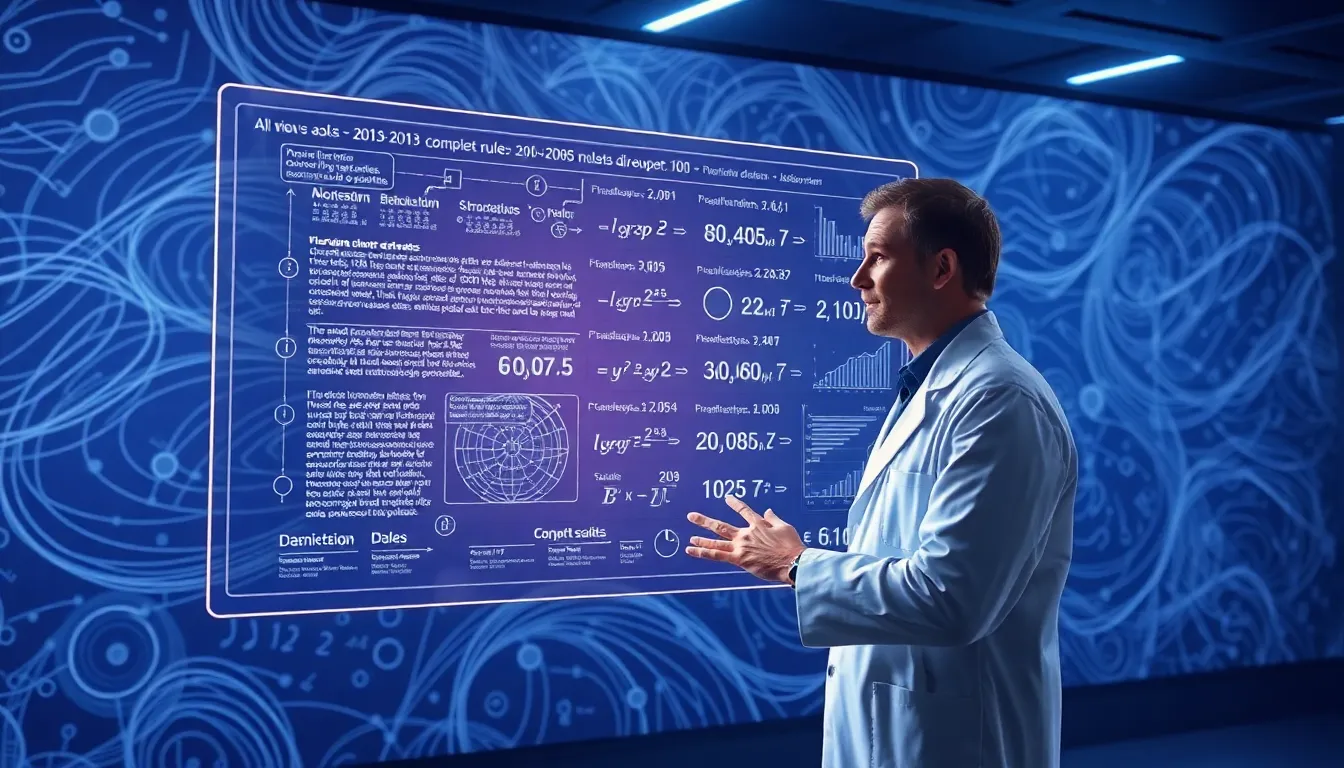
Illustration of AI extracting simple equations from chaotic data

Duke AI Reveals Simple Rules Behind Chaotic Systems

Key Highlights The Big Picture: Duke researchers unveiled an AI that distills chaotic, high‑dimensional data into clear, low‑dimensional equations. Technical Edge: The framework blends deep learning with physics‑based constraints to produce linear‑like models that are 10× smaller than prior methods. The Bottom Line: Scientists can now grasp hidden laws in weather, circuits, or biology without hand‑crafting complex formulas. 🎯 Complex systems—from swinging pendulums to climate models—often drown us in endless variables. This AI finds simple rules where humans see only chaos, turning raw time‑series data into compact, interpretable models that still predict long‑term behavior. ...

December 22, 2025 · 2 min · TechLife
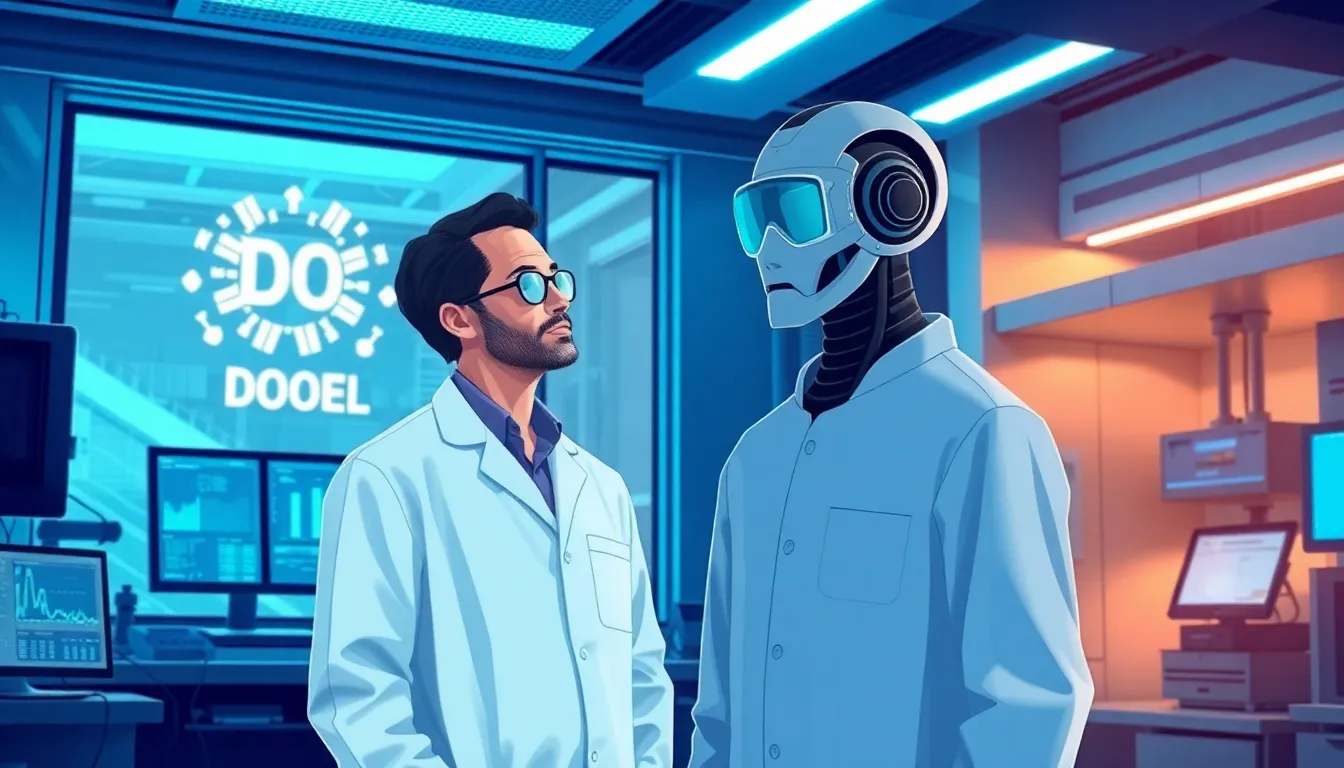
Anthropic and US Department of Energy collaboration on Genesis Mission for scientific AI

Anthropic & DOE Launch Genesis Mission to Power U.S. Science

Key Highlights The Big Picture: Anthropic and the U.S. Department of Energy have inked a multi‑year partnership under the Genesis Mission to embed AI across all 17 national labs. Technical Edge: DOE researchers will get direct access to Claude and a dedicated team of Anthropic engineers to build purpose‑built AI tools. The Bottom Line: This alliance aims to supercharge American energy leadership, life‑science breakthroughs, and overall scientific productivity. 🚀 The Genesis Mission partnership is a timely response to the growing global AI race. By pairing DOE’s massive supercomputing assets with Anthropic’s frontier language model, we’re giving researchers a smarter, faster way to turn data into discovery. Imagine a physicist at Lawrence Livermore instantly querying Claude for the latest simulation insights—that’s the kind of productivity boost we’re talking about. ...

December 22, 2025 · 2 min · TechLife