Key Highlights
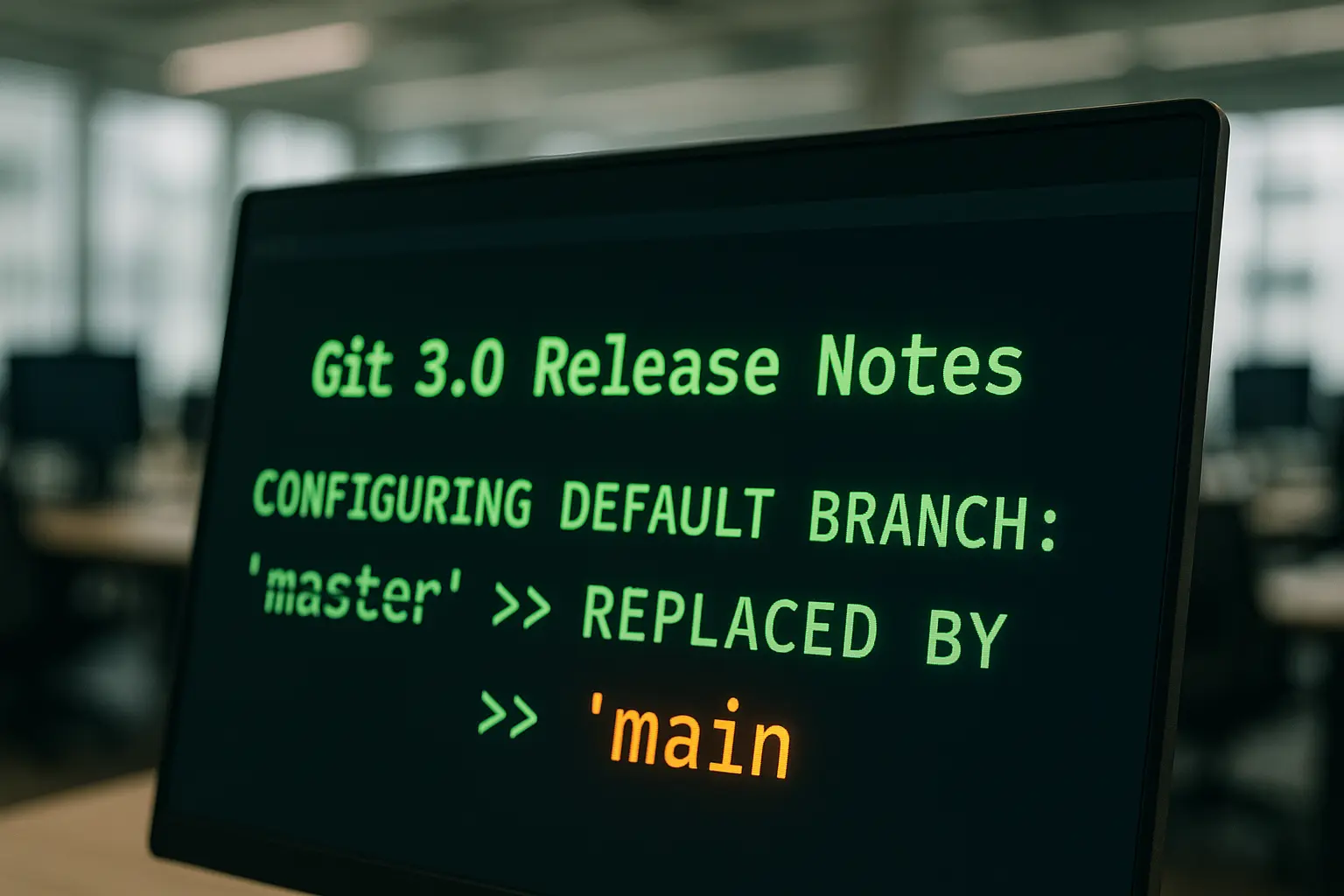
- Git 3.0 will use ‘main’ as the default branch for new repositories
- This change reflects a broader industry shift towards more inclusive naming conventions
- The update is expected to arrive in Git 3.0, with no official release date announced yet
The move to change the default branch from ‘master’ to ‘main’ is a significant step forward for the Git community. This change has been a long time coming, with the Software Freedom Conservancy announcing the update in June 2020. GitHub, a leading platform for version control, had already made the switch to ‘main’ as the default branch for new repositories on October 1, 2020.
Background and Context
The decision to switch to ‘main’ is part of a larger effort to make the tech industry more inclusive. The term ‘master’ has been criticized for its connotations, and many developers and organizations have been advocating for a change. With Git 3.0, the default branch will be set to ‘main’, making it easier for new users to get started with the platform. This change will also help to reduce confusion and make the Git community more welcoming to developers from diverse backgrounds.
Upcoming Changes in Git 3.0
Some of the other notable changes planned for Git 3.0 include:
- Improved performance and security features
- Enhanced support for git init and other core commands
- Better integration with other development tools and platforms
Conclusion and Next Steps
The change to ‘main’ as the default branch is a significant step forward for the Git community. As the industry continues to evolve, it’s essential to prioritize inclusivity and diversity. With Git 3.0 on the horizon, developers can expect a more streamlined and user-friendly experience. While there is no official release date for Git 3.0, current estimates suggest it may arrive near the end of 2026.
Final Thoughts
As the tech industry continues to grow and evolve, it’s crucial to prioritize inclusivity and diversity. The change to ‘main’ as the default branch is a significant step in the right direction. By making this change, the Git community is sending a strong message about the importance of creating a welcoming and inclusive environment for all developers.
Source: Official Link