Cursor Unveils AI-Powered Coding Platform
- Turker Senturk
- AI
- 29 Oct, 2025
- 2 min read
The latest development in the AI-powered coding landscape comes from Cursor, which has just released its newest software development platform. This move reflects broader industry trends towards more efficient and automated coding processes. At the heart of this platform is the Composer model, a “frontier model” that boasts speeds four times faster than similar models. This accelerated performance is designed to streamline developers’ workflows, allowing them to iterate quickly and trust the model with complex, multi-step coding tasks.
One of the key benefits of Composer is its ability to complete most conversational turns in under 30 seconds, significantly improving developer productivity. This speed is a result of Composer’s training with powerful tools, including codebase-wide semantic search, which enhances its understanding and navigation of large, complex codebases.
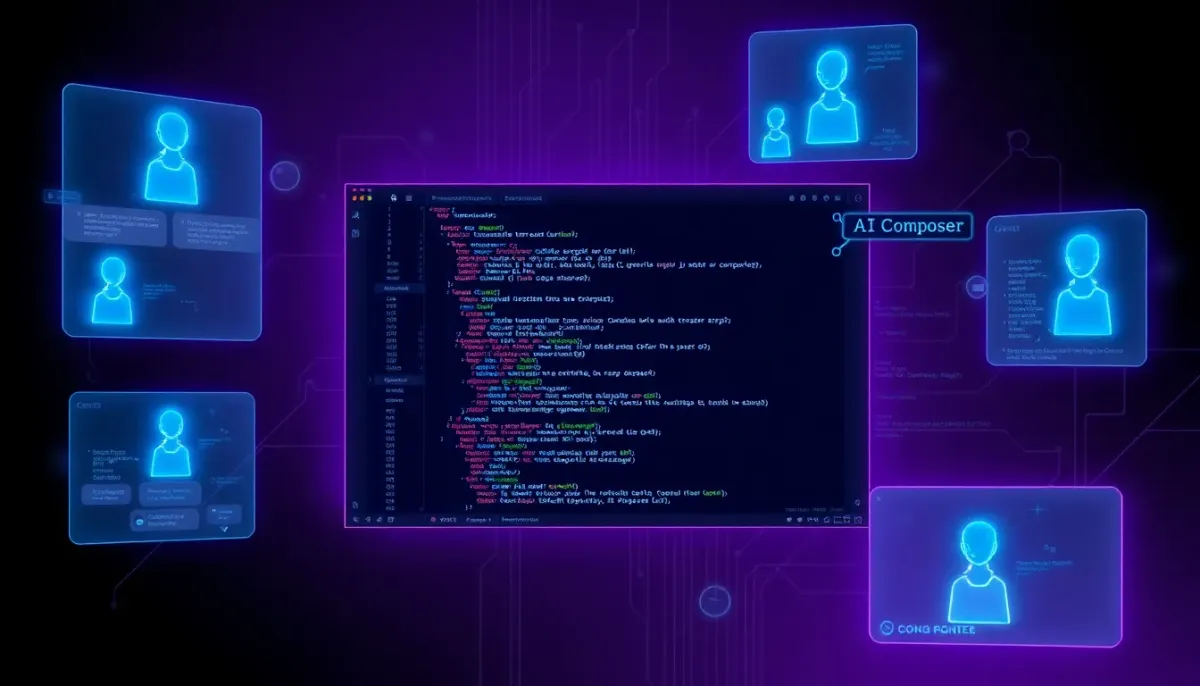
The new platform also introduces a multi-agent interface, marking a shift towards a more agent-centric approach. This design change enables developers to focus on desired outcomes while AI agents handle the underlying code implementation. For those who still prefer working directly with code, the platform retains the ability to open files easily and revert to a “classic IDE” view if needed.
A notable feature of Cursor’s platform is its capability to run multiple AI agents in parallel without interference, powered by technologies such as git worktrees or remote machines. This parallel approach has led to an interesting strategy where assigning the same problem to different models and selecting the best solution significantly improves the final output, particularly for complex tasks.
However, as AI agents take on more of the coding workload, new challenges emerge, such as reviewing code and testing changes. Cursor 2.0 addresses these issues with a simplified interface for quick review of changes made by agents and a native browser tool that enables AI agents to test their work automatically, iterating until they produce the correct final result. This marks a step towards more autonomous development, where agents can write, validate, and refine code independently.
This development is part of a larger landscape where AI and big data are transforming software development. Events like the AI & Big Data Expo, which bring together industry leaders to discuss the latest advancements, highlight the importance of staying updated on these technologies.
Source: Official Link
Tags :
Share :
Stay Ahead in Tech
Join thousands of developers and tech enthusiasts. Get our top stories delivered safely to your inbox every week.
No spam. Unsubscribe at any time.