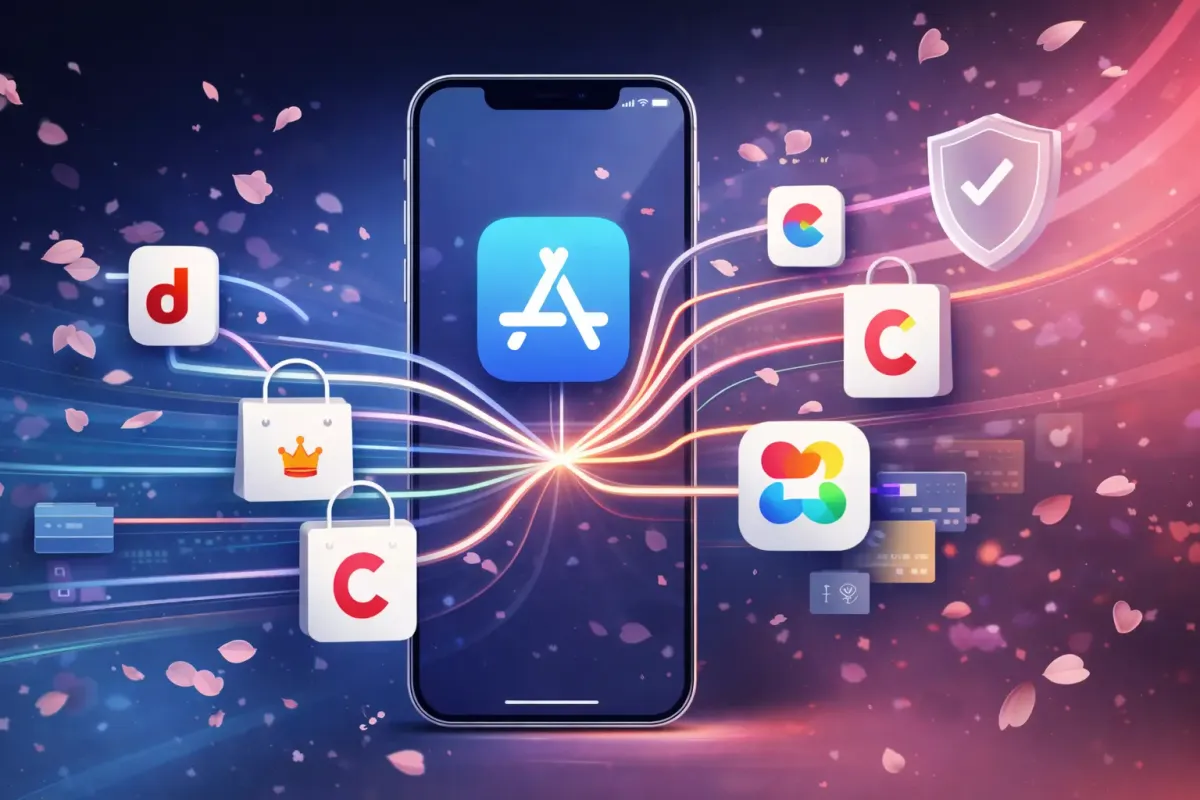
Apple's iOS 26.2 Brings New App Marketplace & Payments to Japan
- Turker Senturk
- Software
- 21 Dec, 2025
- 4 min read
Key Highlights
- The Big Picture: Apple’s iOS 26.2 changes let Japanese developers use alternative app marketplaces and offer non‑Apple payment methods while adding new safety layers.
- Technical Edge: A baseline Notarization review replaces full App Store vetting for apps distributed outside the Store.
- The Bottom Line: Users gain more buying choices, but developers must navigate new compliance rules and potential security risks.
The Japanese iOS ecosystem is about to shift. With the Mobile Software Competition Act (MSCA) in force, Apple’s iOS 26.2 update opens doors for alternative app distribution and payment processing—while also bolstering protections for younger users.
What the iOS 26.2 Update Means for Developers
Apple still positions the App Store as the safest discovery channel, but the MSCA now requires alternative app marketplaces to be authorized and to meet ongoing security standards.
Developers can opt‑in to these marketplaces, but apps downloaded outside the Store will not receive the full App Review. Instead, Apple runs a Notarization check that blends automated scans with limited human review to catch obvious malware and functional issues.
For payment handling, the update permits alternative payment processors or direct web links alongside Apple In‑App Purchase (IAP). When users pick Apple IAP, they keep familiar refund and subscription tools; alternative methods shift refund responsibility away from Apple and may expose users to extra privacy considerations.
Feature Breakdown
Alternative App Marketplace
- Authorization: Apple must approve each marketplace before it can host iOS apps in Japan.
- Baseline Review – Notarization: Focuses on basic functionality and known security threats. It is less comprehensive than the standard App Review.
- Risk Note: Apps outside the Store lack the full suite of fraud‑prevention safeguards, so developers should weigh exposure to malware, scams, and objectionable content.
New Payment Options
- Side‑by‑Side Presentation: Alternative payment methods appear next to Apple IAP, clearly indicating the transaction path.
- Refund Limits: Apple can only refund purchases made through IAP; alternative routes place the burden on the third‑party processor.
- Privacy Impact: Users may need to share payment data with additional parties, raising privacy and security concerns.
Updated Business Terms
- App Store Commission: 10 % for most developers (incl. Small Business, Video Partner, Mini Apps) or 21 % for other digital‑goods transactions.
- Apple Payment Processing Fee: Additional 5 % on top of IAP.
- Store Services Commission: 15 % on web‑linked sales (10 % for qualifying programs).
- Core Technology Commission: 5 % on digital‑goods sales for apps distributed outside the App Store.
Kids’ Online Safety Enhancements
- Parental Gate: Required for any alternative payment or web link in apps used by users under 18.
- Under‑13 Restriction: No web‑linked transactions allowed.
- Kids Category Rule: Apps in the Kids category cannot include external purchase links.
- New API: Helps developers expose parental‑approval controls for off‑Store payments.
iOS 26.2 User‑Facing Tweaks
- Browser & Search Engine Choice: Users can set defaults directly in Settings.
- Default Navigation & Marketplace Controls: Gives users more say over which apps handle those functions.
- Developer Tools: Alternative browser engines (with strict security), voice‑app side‑button launch API, and a process for requesting core‑technology interoperability.
The TechLife Perspective: Why This Matters
Apple’s iOS 26.2 rollout is a strategic compromise—it opens the Japanese market to competition while trying to keep the platform’s security DNA intact. For developers, the new distribution channels could broaden reach, but they also inherit greater compliance overhead and potential brand risk. For users, especially families, Apple’s added safeguards (parental gates, Kids‑category limits) are a reassuring counterbalance, though the privacy trade‑offs of alternative payments remain a concern.
As the ecosystem adjusts, we’ll watch how quickly authorized marketplaces gain traction and whether Apple’s Notarization process can keep pace with emerging threats. One thing’s clear: the iOS experience in Japan will be more flexible—and more complex than ever before.
Source: Official Apple Newsroom Release
Share :
Stay Ahead in Tech
Join thousands of developers and tech enthusiasts. Get our top stories delivered safely to your inbox every week.
No spam. Unsubscribe at any time.